Woodland Park Zoo
About
What It Is
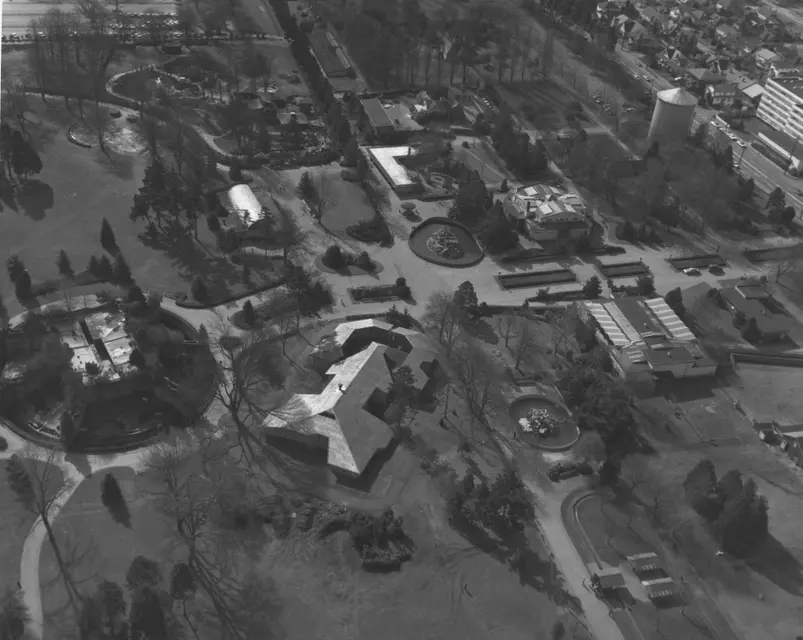
Woodland Park Zoo is a zoological garden and wildlife conservation organization situated in the Phinney Ridge neighborhood of Seattle, Washington. [2] It occupies the western half of Woodland Park and covers 92 acres of exhibits, public spaces, parking, and playgrounds as of summer 2010. [2] The zoo traces its origins to a private menagerie on the estate of Guy C. Phinney in the late 19th century, with the land passing to the city of Seattle in 1899. [2] Today it hosts around 900 animals from 250 species and draws over one million visitors annually. [2]
Activities & Experiences
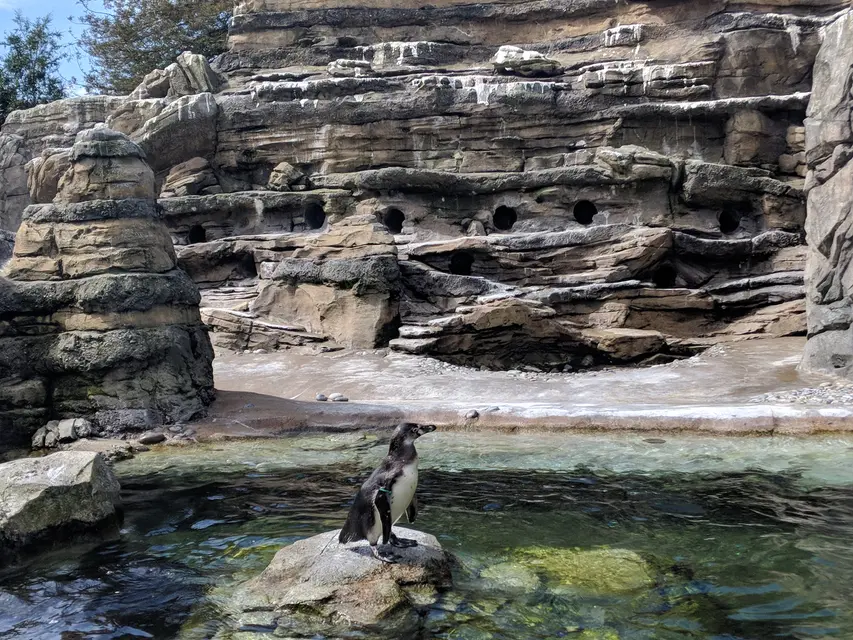
Visitors can explore a wide range of themed exhibit areas, including Tropical Asia, African Savanna, Australasia, Living Northwest Trail, Tropical Rainforest, and Temperate Forest, each housing animals representative of those regions. [2] Highlights include western lowland gorillas, Malayan tigers, an Indian rhinoceros, Humboldt penguins with underwater viewing, snow leopards, grizzly bears, wolves, and red pandas, among many others. [2] Guests can feed Australian parrots at Willawong Station using a seed stick available for a small fee, interact with domesticated animals at a farm exhibit, and visit a butterfly garden, a raptor center, a Bug House, and a sensory garden. [2] The zoo also recently welcomed new animals including a second Hoffmann's two-toed sloth named Jessie and a Humboldt penguin chick hatched in June 2026. [1]
Practical Access
The zoo is open to the public daily. [2] It receives more than one million visitors per year, reflecting its status as a major regional attraction. [2] Specific current admission fees, hours, and reservation requirements are not detailed in the available sources.
Restrictions
No specific restrictions noted in the sources.
What Makes It Distinctive
Woodland Park Zoo is credited with creating what is widely regarded as the world's first landscape immersion exhibit, a gorilla habitat opened in the late 1970s, in which both animals and visitors are surrounded by a close replica of the animal's natural environment. [2] This approach became the global standard for naturalistic zoo design and has been replicated by institutions worldwide. [2] The zoo has received over 65 awards across multiple categories, including multiple Best National Exhibit awards from the Association of Zoos and Aquariums, ranking second only to the Bronx Zoo in total AZA exhibit awards received. [2] Its active conservation programs, including a highly successful Humboldt penguin breeding program and recognized pollinator advocacy work, further distinguish it from typical zoological gardens. [1][2]
Sources
- Open year-round
- Best months: April–October
- Typical duration: 4h
Access & fees
- adult ticket
- parrot feeding extra
Things to do
- animal encounters
- birdwatching
- butterfly garden visit
- children's play areas
- conservation learning
- educational programs
- family activities
- farm animal petting
- parrot feeding
- photography
- underwater penguin viewing
- walking
- wildlife viewing
Amenities
- parking on-site
- playgrounds on-site
Features
- 35 endangered species
- 65+ aza awards
- 900–1,090 animals
- 92-acre grounds
- landscape immersion exhibits
- sensory garden
Good to know
- 1m+ annual visitors
- open daily
Photos