Spotted Lake
About
What It Is
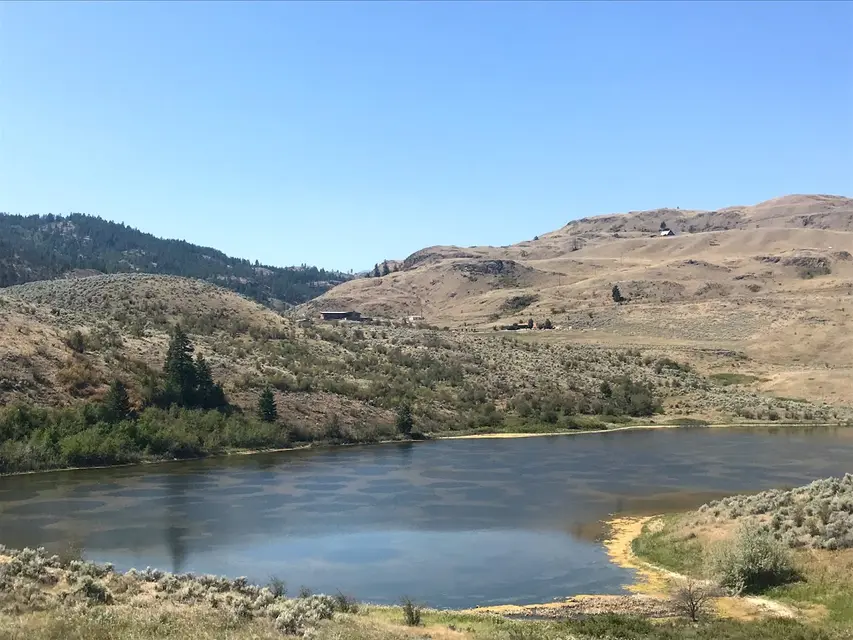
Spotted Lake, known in the Nsyilxcən language as Kłlil'xᵂ and also called Lake Khiluk, is a saline endorheic alkali lake situated northwest of Osoyoos in the eastern Similkameen Valley of British Columbia, Canada [1]. It is accessible via Highway 3 and sits within the broader Okanagan Valley region [1]. The lake holds deep cultural significance as a sacred site for the Syilx Okanagan Nation, who have long regarded its waters as therapeutic and medicinal [1]. In October 2001, the Syilx Okanagan Nation purchased 22 hectares of land surrounding the lake for CAD 720,000, with the Indian Affairs Department covering approximately 80 percent of the cost [1].
Activities & Experiences
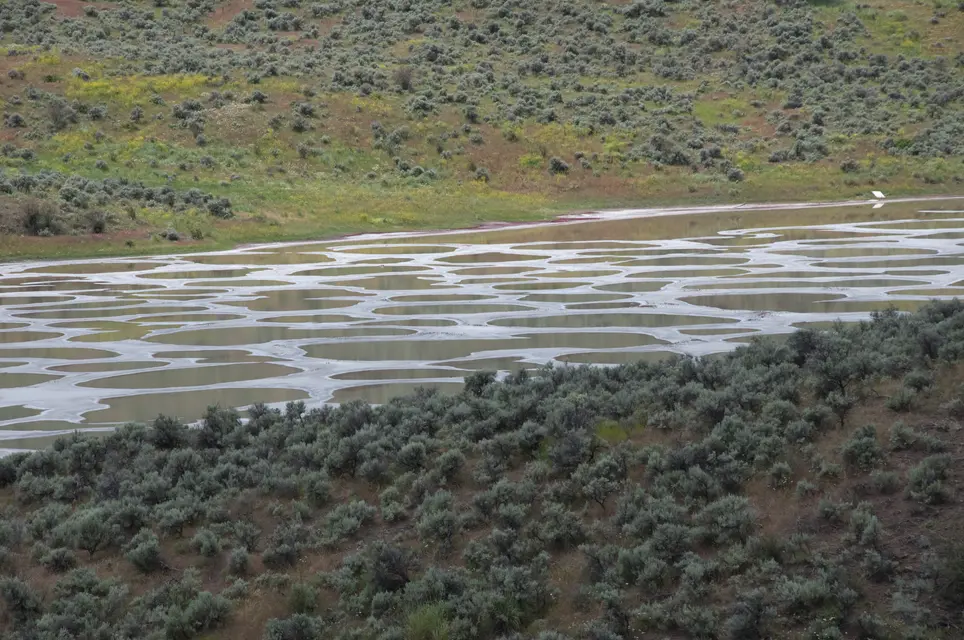
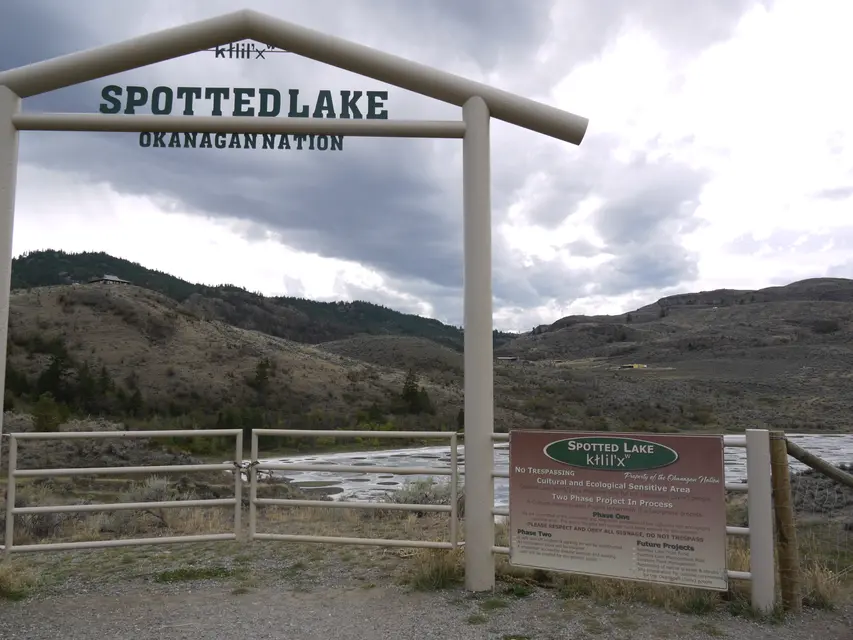
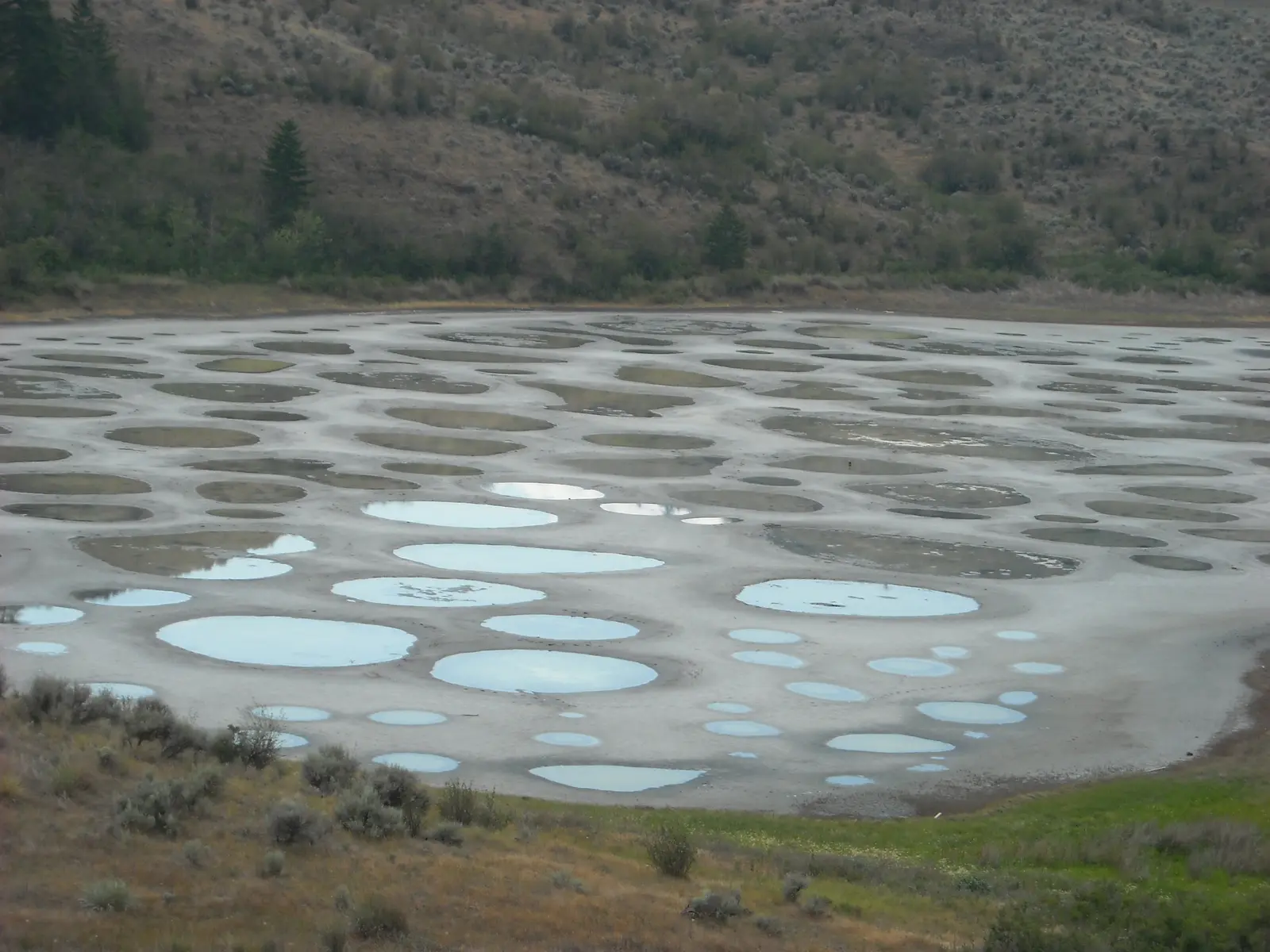
Visitors can view the lake from a roadside vantage point along Highway 3, where a fence has been erected to manage public access [1]. A roadside sign explains the lake's status as a culturally and ecologically sensitive area and a traditional medicine lake for the Okanagan Syilx people [1]. The primary visual draw is the lake's distinctive spotted surface, which becomes most pronounced in summer as water evaporates and colourful mineral deposits are revealed [1]. The spots vary in colour depending on mineral composition and seasonal precipitation levels [1].
Practical Access
The lake is reached via Highway 3, northwest of Osoyoos, British Columbia [1]. Viewing is conducted from the roadside fence line; no information on parking facilities, fees, hours, or visit duration is provided in the available sources [1].
Restrictions
The lake is designated a cultural and ecologically sensitive area, and a fence has been erected to prevent public access onto the lake itself [1]. Visitors are limited to viewing from the roadside boundary [1].
What Makes It Distinctive
Spotted Lake is one of the most mineral-rich lakes known, containing high concentrations of magnesium sulfate, calcium and sodium sulphates, eight additional minerals, and trace amounts of silver and titanium [1]. As summer progresses and water evaporates, the lake surface transforms into a mosaic of large coloured circles, with remaining minerals hardening into natural pathways between the spots — a phenomenon driven by crystallisation of magnesium sulfate [1]. Its history spans sacred Indigenous use over centuries, wartime mineral extraction during World War I, and a landmark land-purchase agreement that returned stewardship to the Syilx Okanagan Nation [1]. This combination of geological rarity and living cultural heritage makes it unlike almost any other lake accessible to the public in Canada [1].
Sources
- Open year-round
- Best months: July–September
- Typical duration: 1h
Access & fees
- no entry to lake
Things to do
- photography
- roadside viewing
Amenities
- roadside interpretive sign
Best time to visit
- summer
Features
- coloured mineral spots
- high mineral concentration
- natural mineral walkways
- sacred syilx cultural site
- saline endorheic alkali lake
- wwi mineral extraction site
Nearby
- osoyoos
Good to know
- highway 3 access
- purchased October 2001
Photos