Seville Old Town
About
What It Is
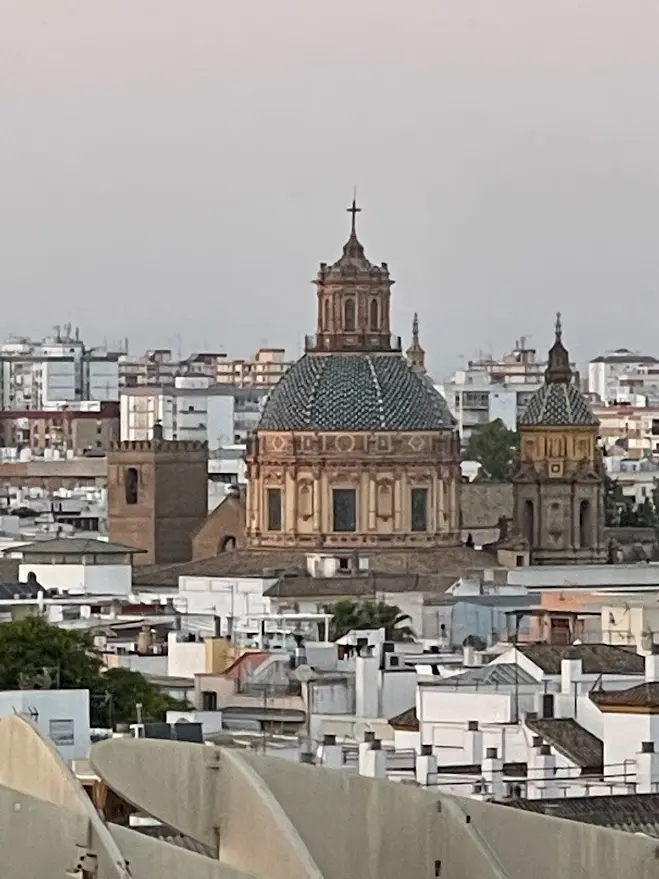
Seville Old Town (Casco Antiguo) is the historic heart of Seville, Andalusia, encompassing a dense concentration of monuments, traditional neighborhoods, churches, palaces, plazas, shopping streets, and centuries-old urban fabric. It reflects successive periods of Roman, Islamic, medieval Christian, Renaissance, and Baroque history, as well as Seville's exceptional importance during Spain's trade with the Americas. [1][2]
At its monumental core are the Seville Cathedral and Giralda, Real Alcázar, and Archivo General de Indias, which together have been designated a UNESCO World Heritage Site since 1987. UNESCO describes the ensemble as representing Seville's Islamic and Christian history and its later role as Spain's principal trading center with the Americas. [1]
The Old Town also contains distinctive historic areas such as Santa Cruz, Seville's former Jewish quarter, characterized by narrow winding streets, whitewashed buildings, intimate plazas, courtyards, and orange trees. [3]
Activities & Experiences
- Historic Walking — Explore the Old Town on foot through narrow streets, monumental avenues, pedestrian areas, plazas, and historic neighborhoods.
- Seville Cathedral & Giralda — Visit the monumental cathedral, built on the site of the former main mosque, and climb the Giralda, whose lower section originated as the mosque's Almohad minaret. The cathedral is the largest Gothic church in Europe and contains the tomb of Christopher Columbus. [1]
- Real Alcázar — Explore a royal palace complex incorporating Islamic, Mudéjar, Gothic, Renaissance, and later architectural elements, along with extensive historic gardens. The Alcázar continues to serve as a royal residence when Spain's monarchs visit Seville. [1][2]
- Archivo General de Indias — Discover Seville's historic relationship with the Americas through one of the world's most important archival collections concerning Spain's overseas territories. The archive contains approximately 43,000 files, 80 million pages, and 8,000 maps and drawings. [2][4]
- Explore Santa Cruz — Wander through the former Jewish quarter's winding lanes, small plazas, flower-filled courtyards, orange trees, and historic buildings. [3]
- Architecture & Heritage — Encounter Islamic, Mudéjar, Gothic, Renaissance, and Baroque architecture within a relatively compact urban area. [1][2]
- Plaza & Street Life — Experience Seville's traditional urban environment through historic plazas, pedestrian streets, cafés, tapas bars, shops, and outdoor gathering spaces.
- Churches & Palaces — Visit historic religious buildings and aristocratic residences distributed throughout the Old Town.
- Tapas & Andalusian Cuisine — Explore the numerous traditional bars, restaurants, markets, and cafés integrated into the historic center.
- Flamenco — Attend flamenco performances in venues throughout central Seville, particularly around historic neighborhoods such as Santa Cruz.
- Evening Walks — Experience the historic center after dark, when major monuments, plazas, and streets are illuminated.
Practical Access
The Old Town is best explored on foot. Many of its principal attractions are concentrated within walking distance of one another, particularly around the Cathedral, Alcázar, Archivo de Indias, and Santa Cruz. The historic center contains numerous pedestrian and limited-traffic streets, and the city continues to expand and improve pedestrian areas within the Casco Antiguo. [5] Individual monuments operate independently and have their own admission fees, schedules, reservation systems, and accessibility conditions. Visitors planning to enter major attractions such as the Real Alcázar and Cathedral should check their official websites for current ticket availability and operating hours. The Old Town itself has no admission fee or fixed opening hours; it is a living urban district rather than an enclosed attraction. A few hours are sufficient for a general walk, but at least one full day is more appropriate if combining the Old Town with visits inside several major monuments. Multiple days allow individual neighborhoods, museums, churches, palaces, food experiences, and evening activities to be explored more thoroughly.
Restrictions
- The Old Town itself is freely accessible, but individual monuments may require admission tickets, timed entry, security screening, or advance reservations.
- Some religious buildings remain active places of worship; visitor access may be restricted during Masses, ceremonies, and religious events.
- Vehicle access is restricted in many parts of the historic center, and numerous streets are primarily pedestrian.
- Santa Cruz is a residential neighborhood as well as a tourist destination. Seville's official tourism authority identifies it as a high-visitor-traffic area and asks visitors to respect residents and the neighborhood environment. [3]
- Accessibility varies significantly. Major streets and monuments may provide accessible routes, while historic paving, narrow lanes, curbs, and older buildings can present difficulties for visitors with reduced mobility.
What Makes It Distinctive
Seville Old Town is distinctive for the extraordinary concentration and layering of different civilizations within a living city center. Islamic architecture, Christian monuments, medieval streets, Renaissance buildings, Baroque churches, traditional neighborhoods, and contemporary city life coexist within the same urban landscape. Its most important monuments tell different chapters of the same history. The Giralda originated as an Almohad minaret before becoming the Cathedral's bell tower; the Real Alcázar developed from an Islamic palace complex into a Christian royal residence; and the Archivo de Indias preserves the documentary legacy of Spain's relationship with the Americas. [1] This connection with the Americas is particularly important. From 1503 until 1718, Seville occupied a privileged position in Spain's regulated trade with the Indies, becoming one of Europe's great commercial centers during the 16th and 17th centuries. [1] The experience also extends beyond individual monuments. In Santa Cruz, the former Jewish quarter, the attraction is the historic urban fabric itself: winding lanes, whitewashed façades, hidden courtyards, small squares, orange trees, and remnants of the neighborhood's medieval past. [3] This makes Seville Old Town more than a collection of famous buildings. Its distinctive quality is the ability to walk continuously through layers of Islamic, Jewish, Christian, royal, commercial, and transatlantic history while remaining inside an active Andalusian city center.
Sources
- visitasevilla.es · La Catedral El Archivo De Indias Y El Alcazar
- visitasevilla.es · Archivo De Indias
- visitasevilla.es · Barrio De Santa Cruz
- Best months: March–May
- Typical duration: 8h
Access & fees
- free — archivo de indias
Things to do
- climb giralda viewpoint
- culinary route tours
- explore santa cruz quarter
- flamenco performances
- guided tours available
- monument visits
- museum visits
- neighborhood walking routes
- opera performances
- temporary exhibitions
- view columbus manuscripts
Amenities
- interactive city map
- tourist office on-site
Events & seasons
- april fair (feria de abril)
- concerts and festivals
Features
- best experienced on foot
- columbus tomb on site
- former medieval jewish quarter
- giralda tower, 101 m tall
- largest gothic cathedral worldwide
- lgbtiq+ welcoming destination
- oldest active royal palace in europe
- quality-in-destination designation
- six distinct neighborhoods
- unesco world heritage site
Nearby
- cathedral, alcázar, archivo de indias
- hospital de los venerables
- jardines de murillo
Good to know
- archivo de indias hours
- tourist office contact