Saona Island
About
What It Is
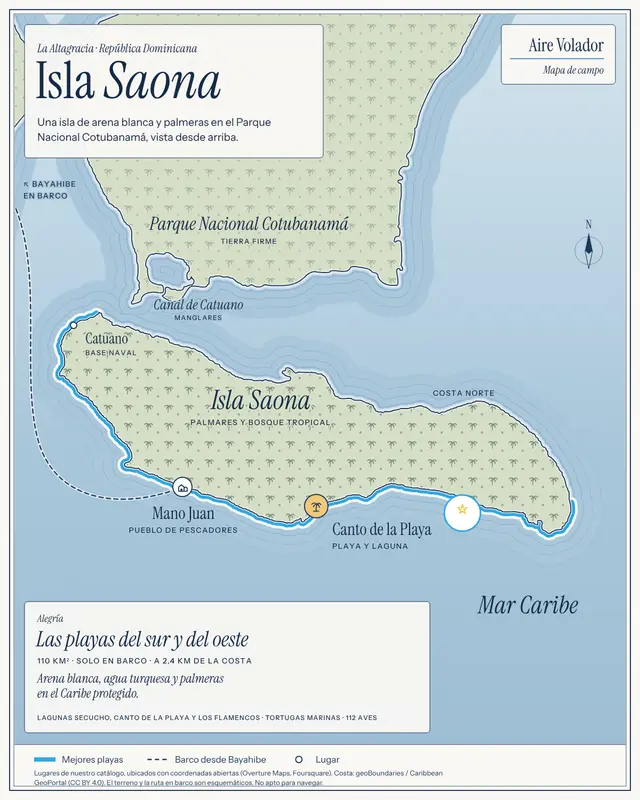
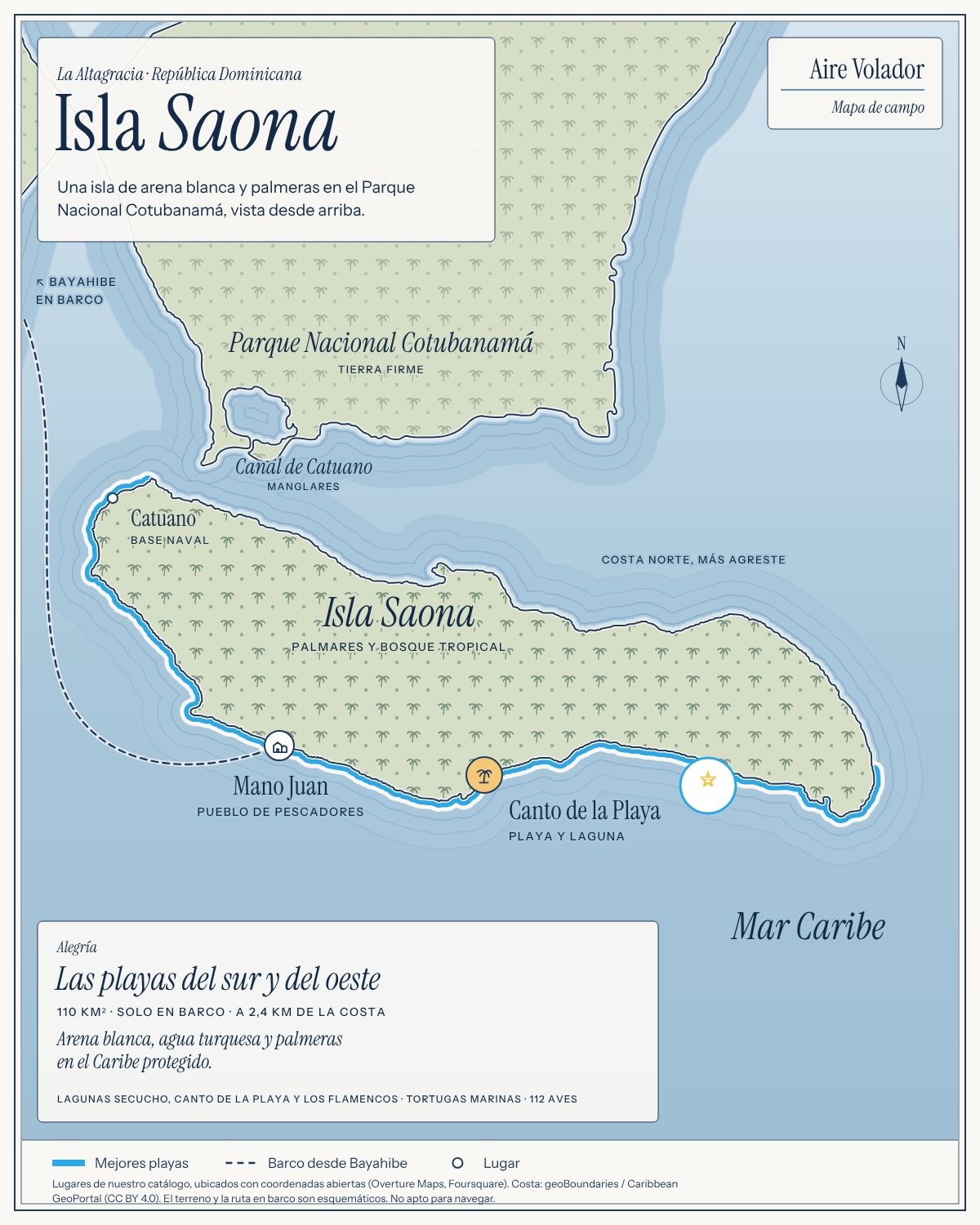
Saona Island is a 110-square-kilometer tropical island situated approximately 2.4 kilometers off the southeastern coast of the Dominican Republic, within La Altagracia province. [1] It functions as a government-protected nature reserve and forms part of Cotubanamá National Park. [1] The island draws more than one million visitors annually and accounts for 45 percent of all visits to protected areas in the Dominican Republic, making it the country's most visited protected site. [1] Two permanent settlements exist on the island: the fishing village of Mano Juan and the naval installation at Catuano. [1]
Activities & Experiences
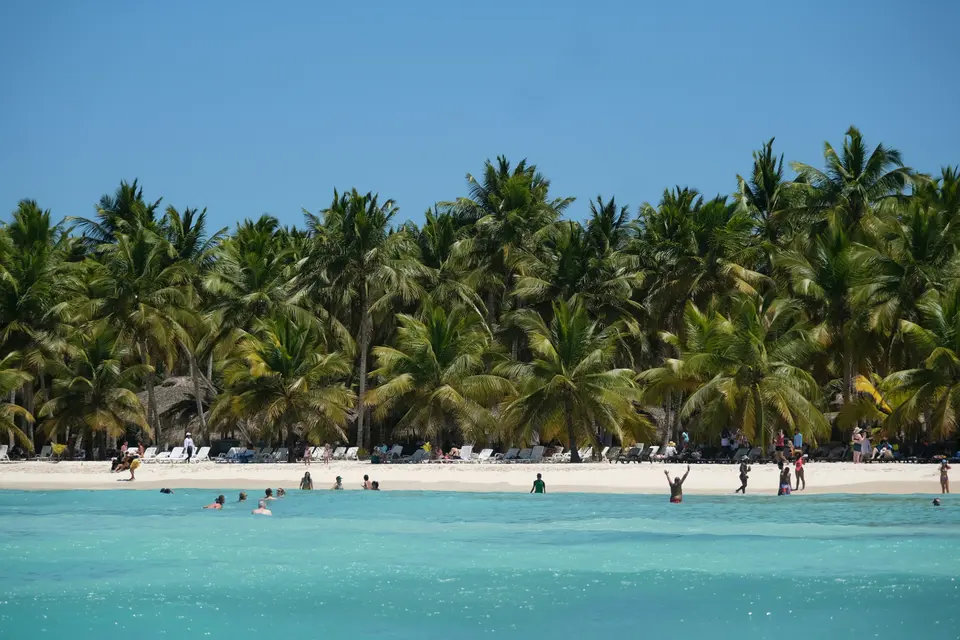
Visitors can swim at Palmilla, a white-sand stretch featuring a wide natural pool, and explore the village of Mano Juan during organized day trips. [2] The island's surrounding waters host a large natural sandbar pool — described as the largest natural swimming pool in the world — where visitors can wade far from shore with water reaching only waist height, and observe starfish. [4] Wildlife watching is a draw as well: 112 bird species are present, including flamingos, frigatebirds, brown pelicans, and endemic Hispaniolan parrots, while the surrounding sea supports green and loggerhead sea turtles, bottlenose dolphins, manatees, and rhinoceros iguanas. [1]
The island also contains significant archaeological and historical sites within Cotubanamá National Park, including more than 20 ceremonial plazas, eight indigenous cemeteries, and numerous caves with Taino pictographs, petroglyphs, and carvings. [4] The Cueva de Cotubanamá is among the most notable of these sites. [1] Snorkeling is offered as part of organized excursions. [3]
Practical Access
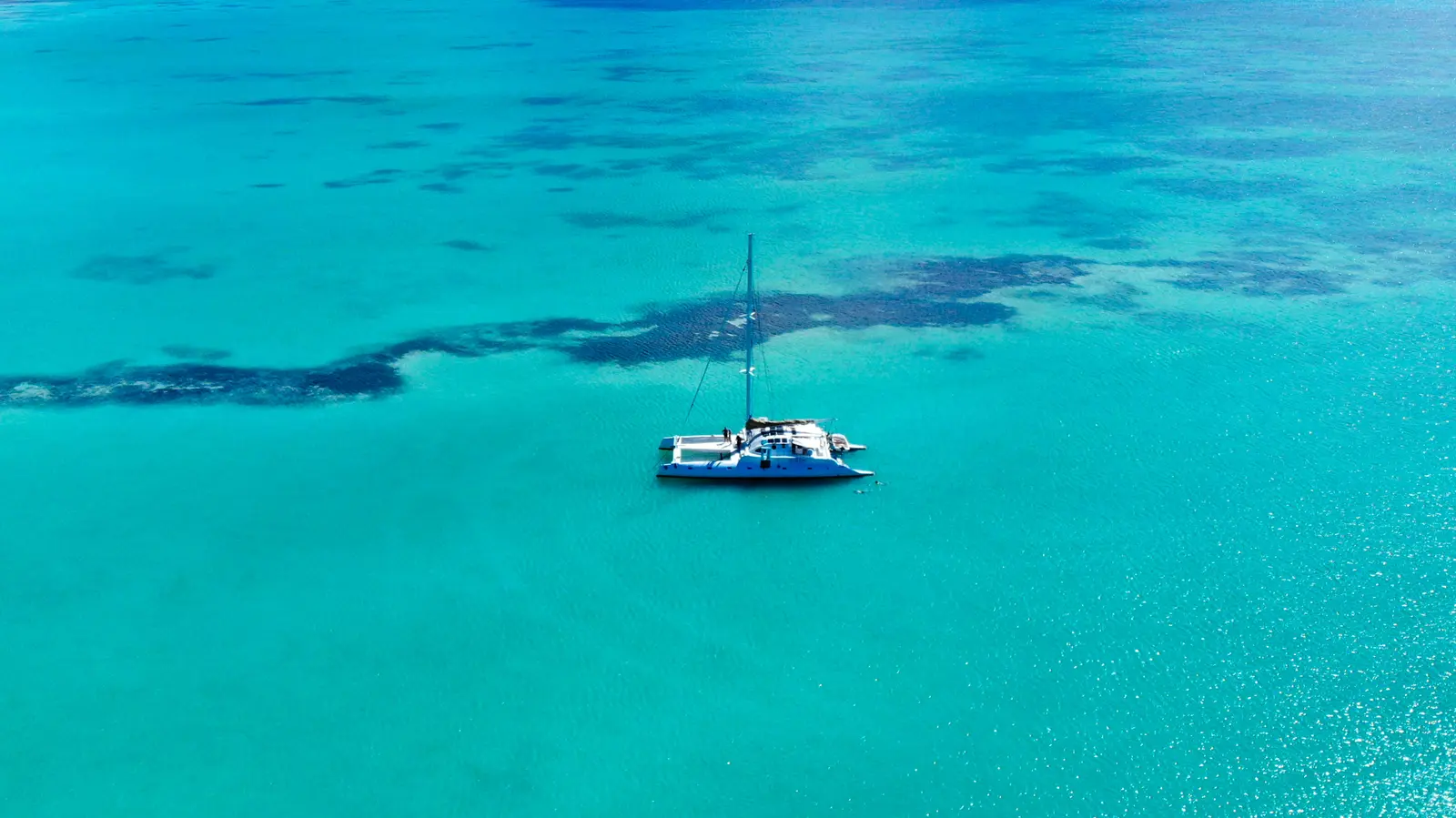
Most day trips depart from the waterfront at Bayahibe village, the closest mainland point to the island. [2] The crossing from Bayahibe takes approximately 30 minutes by boat; organized tours often combine speedboat and catamaran transport. [4] Visitors coming from Punta Cana travel roughly 73 kilometers to reach Bayahibe — about one hour and fifteen minutes by road — before boarding their vessel. [3] No public ferry service connects Bayahibe to Saona Island, so visitors must book a private or group tour. [4]
Organized excursions typically include hotel pickup, onboard music and drinks, snorkeling, and free time on the island. [3] Catamaran crossings from more distant departure points such as Playa Bavaro or Boca Chica take approximately one and a half hours. [3] The island has no large resorts or hotels, so overnight stays are not a standard visitor option; most travelers base themselves at resorts in Punta Cana or Bayahibe and visit on a day trip. [4]
Restrictions
Saona Island is a protected nature reserve within Cotubanamá National Park, which limits development; no large resorts or hotels operate on the island. [4] The island is the Dominican Republic's most important sea turtle nesting site, and the site faces threats from climate change and coastal flooding. [1]
What Makes It Distinctive
Saona Island is the single most visited protected area in the Dominican Republic, capturing 45 percent of national park visits in 2019, yet it retains the character of an undeveloped reserve with no large-scale tourism infrastructure on the island itself. [1] It combines white-sand beaches, a record-scale natural sandbar pool, active sea turtle nesting grounds, and one of the Caribbean's richer concentrations of bird and marine species in one location. [1][4] The island also carries layered historical significance: Christopher Columbus landed here in May 1494 during his second voyage, the Taino called it Adamanay, and pre-Columbian cave art survives at multiple sites within the park. [1][4] Portions of the film Pirates of the Caribbean: The Curse of the Black Pearl were shot on the island, adding a cultural footnote to its natural profile. [1]
Sources
- Saona Island
- Isla Saona - Dominican Republic Tourism - Official Website
- Saona Island in Punta Cana: a paradise in the Caribbean
- Your Guide to Saona Island: Dominican Republic's Hidden Gem
Field map
- Open year-round
- Typical duration: 8h
Things to do
- archaeological site visit
- beach visits
- birdwatching
- snorkeling / marine wildlife
Before you go
- sea turtle nesting threatened
Features
- 110 sq km island
- 539 endemic flora species in park
- columbus landing 1494
- coral reef ecosystems
- film location
- four mangrove species
- government nature reserve
- marine mammals present
- multiple lagoons
- palm forests and rainforest
- pre-columbian archaeological sites
- rugged northern coast
- sea turtle nesting site
- solar-powered island
- taino historical heritage
- white sand beaches
Nearby
- catuano naval base
- mano juan village
Good to know
- 1m+ visitors per year
- 45% of dr protected-area visits
- boat access only
- main departure point: bayahibe
Photos