Samaná Bay
About
What It Is
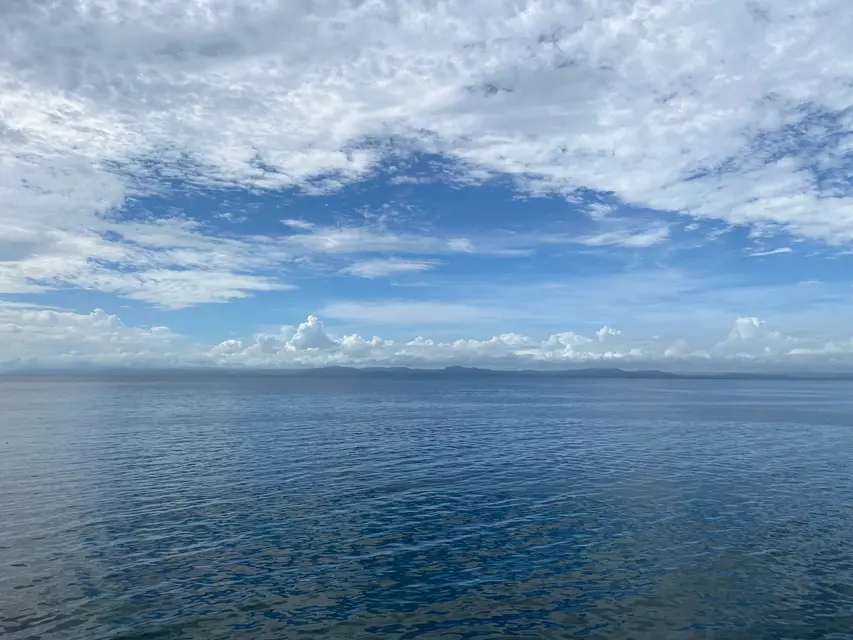
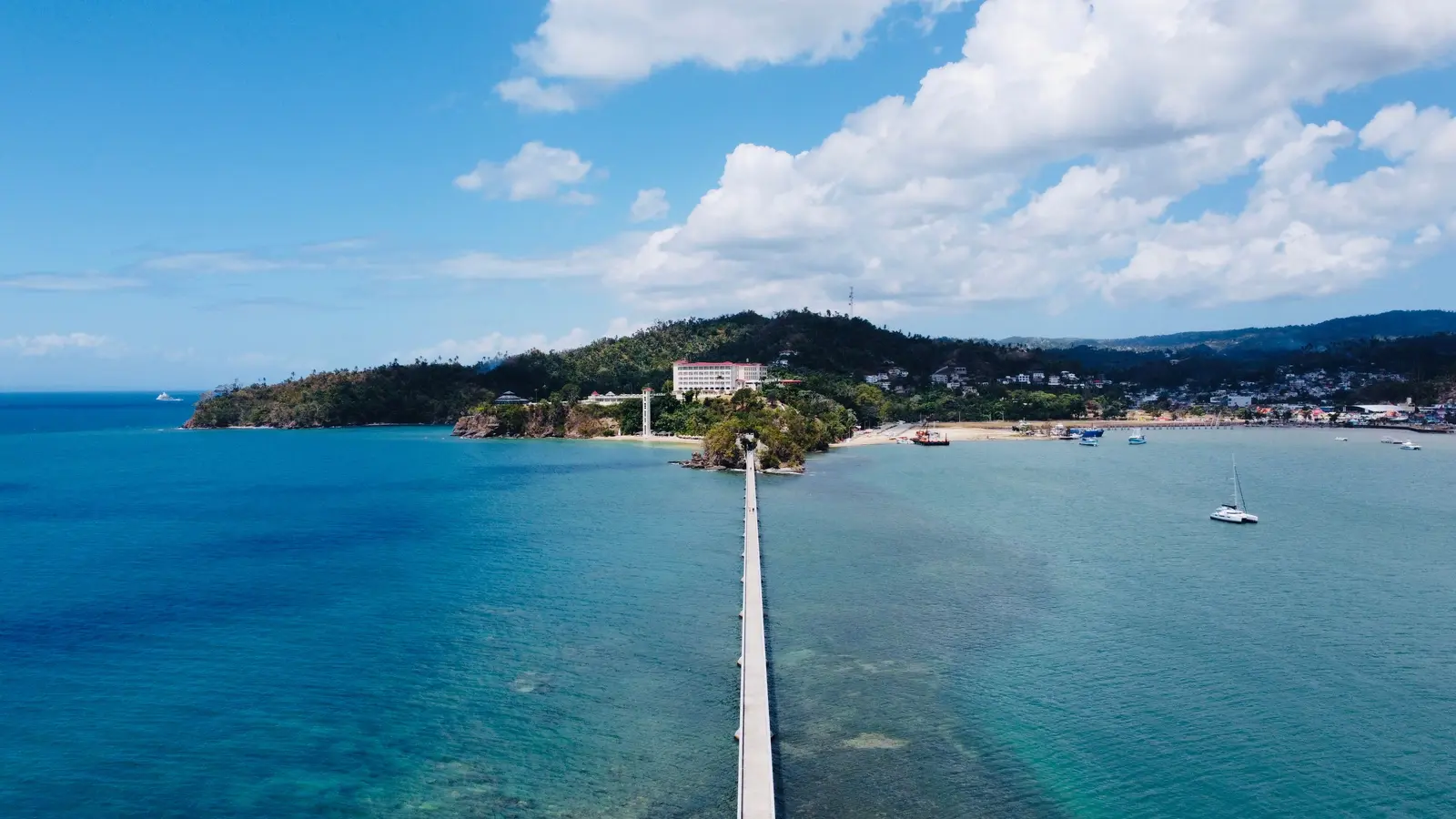
Samaná Bay is a large bay situated in the eastern Dominican Republic, lying south of the town of Samaná and the Samaná Peninsula, with the Yuna River draining into it from the west [1]. The bay sits along the tectonic boundary between the North American Plate and the Caribbean Plate, with two named fault lines running its full length and connecting to the nineteen-degree fault north of Puerto Rico and Hispaniola — making the surrounding area seismically active [1]. It functions as both a natural habitat of regional ecological importance and a destination for ecotourism, drawing national and international visitors [1].
Activities & Experiences
The bay is a recognized breeding ground for humpback whales in the Caribbean, and the annual breeding season draws significant numbers of whale-watchers to the area [1]. Visitors can also explore protected islands within the bay that serve as nesting habitat for pelicans and frigatebirds, as well as caves containing Indigenous pictographs and petroglyphs [1]. The bay's mangrove-lined river tributaries offer additional natural scenery for those exploring by water [1]. Cayo Levantado, an island contained within the bay and also known as Bacardi Island, is accessible to visitors [1].
Adjoining the bay is Los Haitises National Park, a popular ecotourism destination for both Dominican and international travelers [1].
Practical Access
The bay is accessible from the town of Samaná, which lies to its north [1]. Accommodation options in the area include 4-star hotels adjoining the bay [1]. No specific information on fees, hours, reservations, or typical visit duration is provided in the available sources.
Restrictions
No specific restrictions noted in the sources.
What Makes It Distinctive
Samaná Bay is one of the Caribbean's significant humpback whale breeding sites, giving it a wildlife-watching profile that few bays in the region can match [1]. Its combination of geological drama — sitting directly on a major tectonic plate boundary with active fault lines — alongside Indigenous cave art, seabird nesting islands, and mangrove ecosystems creates an unusually layered natural and cultural environment [1]. The presence of Cayo Levantado and direct adjacency to Los Haitises National Park further extend the range of experiences available within a single destination [1].
Sources
- Open year-round
- Typical duration: 3h
Things to do
- ecotourism
- whale watching
Amenities
- 4-star hotels nearby
Best time to visit
- humpback whale season
Features
- cayo levantado island
- frigatebird nesting islands
- humpback whale breeding site
- indigenous cave art
- mangrove river tributaries
- pelican nesting islands
- tectonic plate boundary
- yuna river inflow
Nearby
- los haitises national park
Good to know
- town of samaná nearby
Photos