Paradise
About
What It Is
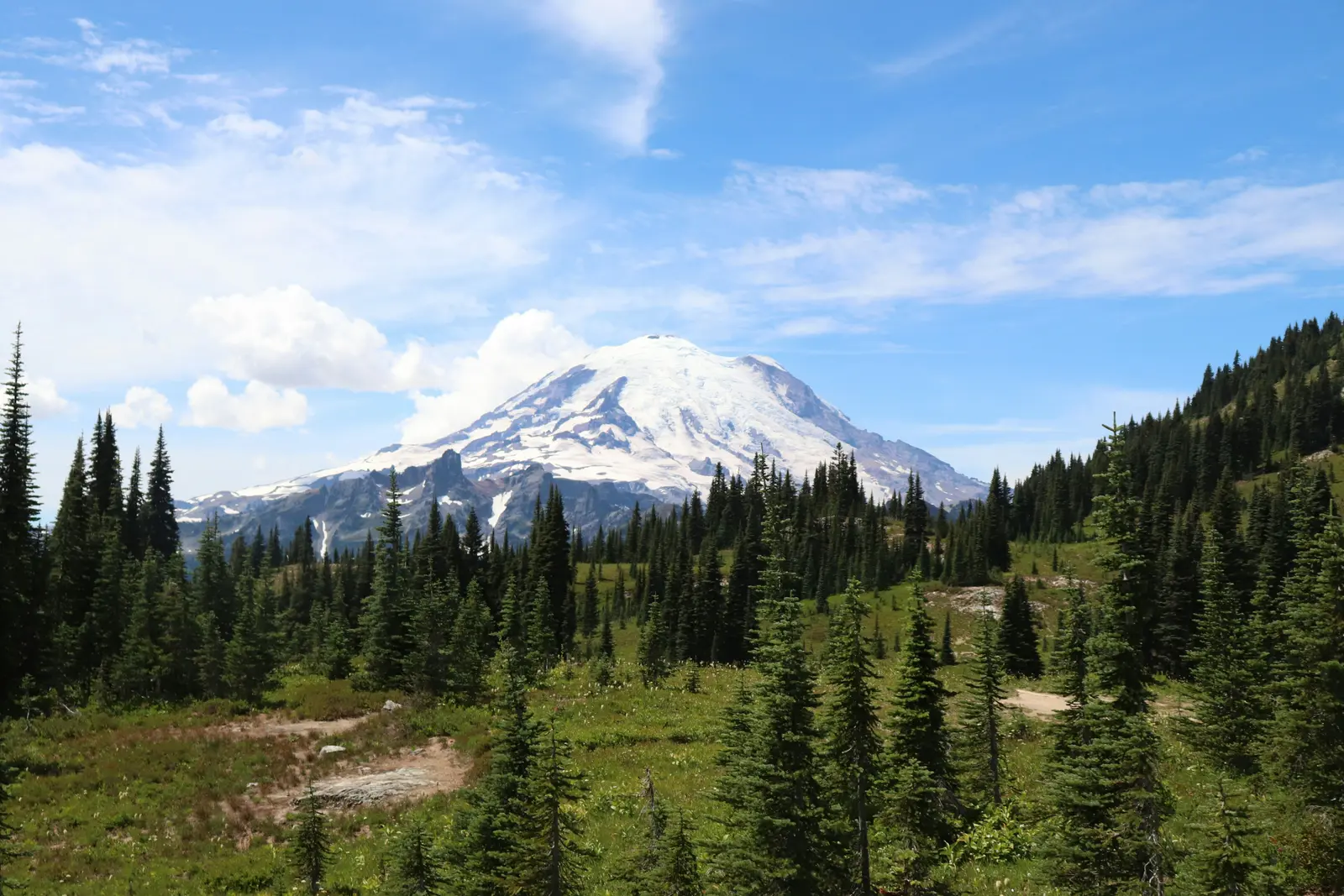
Paradise is a subalpine area situated at approximately 5,400 feet (1,600 m) on the south slope of Mount Rainier, within Mount Rainier National Park in Washington State. [4] It is the park's most visited destination, drawing the majority of the park's annual visitors, and serves as the primary hub for both summer and winter recreation. [4] The area encompasses wildflower meadows, glaciated terrain, and sweeping views of Mount Rainier and the Tatoosh Range. [2] The Henry M. Jackson Memorial Visitor Center, the park's main visitor center, is located here, along with the historic Paradise Inn, a National Register of Historic Places property built in 1916. [2][4]
Activities & Experiences
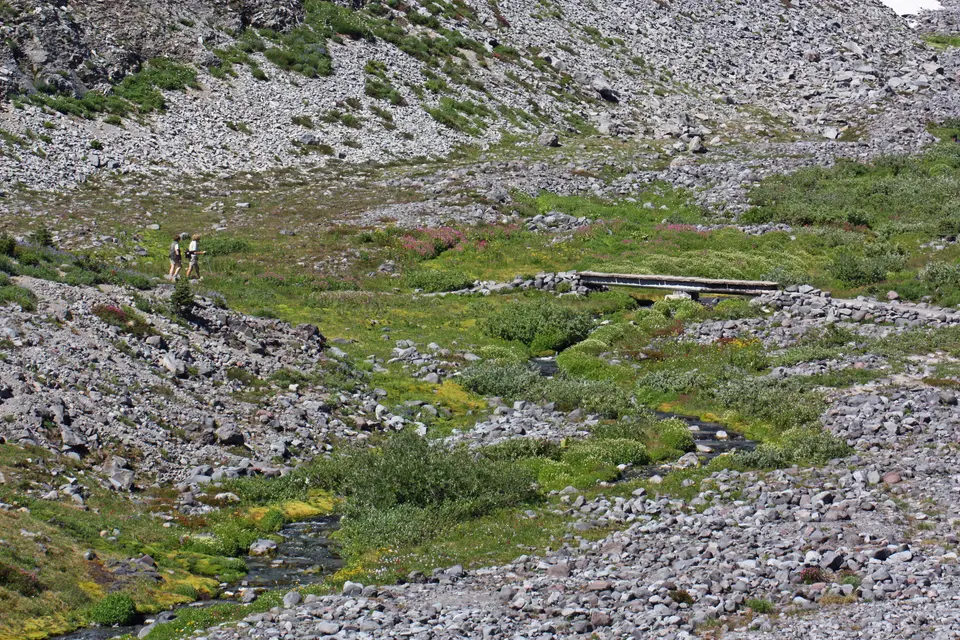
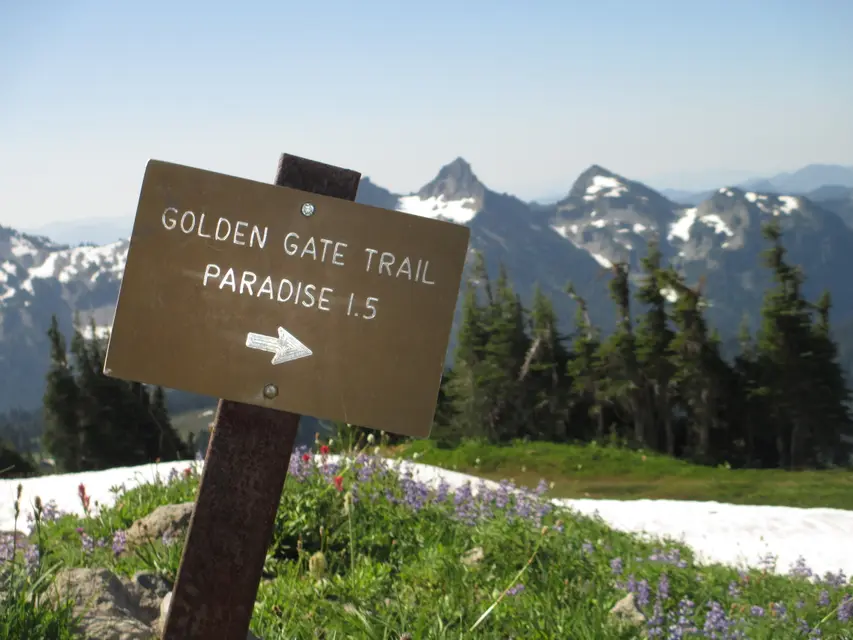
In summer, Paradise offers a network of hiking trails ranging from easy to strenuous, passing through subalpine wildflower meadows, past glaciers, and to elevated viewpoints. [2] The Skyline Trail (5.5 mi/8.8 km loop) is the signature route, with views of Mount Rainier, glaciers, and the Tatoosh Range, and on clear days glimpses of Mount Adams and Mount St. Helens. [2] Shorter options include the Nisqually Vista Trail (1.2 mi/1.9 km), suitable for families with strollers, and a wheelchair-accessible section of the Skyline Trail to Myrtle Falls with assistance. [2] Wildflower viewing is a major draw, with peak bloom typically occurring from mid-July through August, though timing varies by year and precipitation. [3]
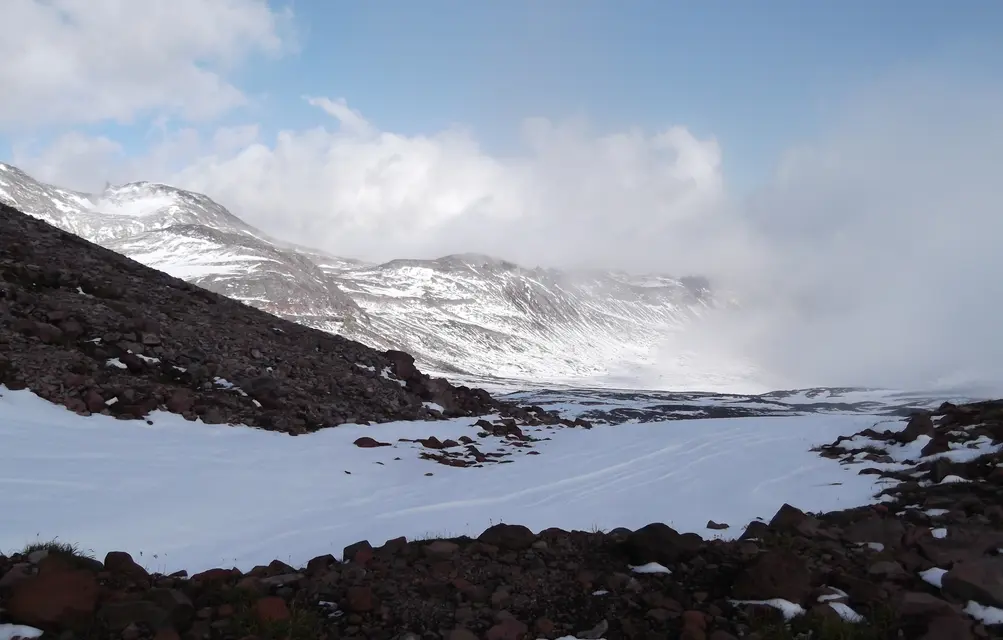
In winter, Paradise is the park's primary snow-use area, averaging 640 inches (53.6 feet/16.2 m) of snowfall annually, and supports snowshoeing, cross-country skiing, and sledding. [2] Climbers use Paradise as a staging point for upper-mountain routes, with the Paradise Wilderness Information Center providing climbing permits and backcountry information during summer; self-registration for climbers is available at the Paradise Ranger Station in winter. [2]
Practical Access
Paradise is located 19 miles (30 km) east of the Nisqually Entrance and 12 miles (19 km) east of Longmire. [2] The road between Longmire and Paradise is plowed in winter but closes at night during that season; visitors should check current road status before traveling. [2] All visitors require an entrance pass: a private vehicle pass costs USD 30 (valid 7 days), a motorcycle pass costs USD 25 (valid 7 days), and a per-person walk-up or bicycle fee is USD 15 for visitors 16 and older; children under 16 do not need a pass. [1] The park does not accept cash; payment is by card or electronic means only. [1] The Henry M. Jackson Memorial Visitor Center is generally open daily from May to early October, and on weekends and holidays from mid-October through April. [2] The Paradise Inn is typically open from mid-May to early October. [2]
Restrictions
Pets are not allowed on any trails or on snow anywhere in the park. [3] Drones are prohibited throughout Mount Rainier National Park. [3] Visitors must stay on designated trails at all times to protect fragile subalpine meadow vegetation, even when trails are partially snow-covered. [3] Sleeping in vehicles in the parking lot or pullouts is not permitted; overnight stays require use of designated frontcountry campgrounds (summer only) or wilderness campsites with a wilderness permit. [3] Glaciated travel and travel above high camps requires a climbing permit. [3] The Washington State Discover Pass is not valid at Mount Rainier National Park. [1]
What Makes It Distinctive
Paradise holds a verified world snowfall record: 1,122 inches (93.5 ft/28.5 m) fell during the winter of 1971-1972, and the National Park Service identifies it as one of the snowiest places on Earth where snowfall is regularly measured. [4] This exceptional snowpack, combined with a subpolar oceanic climate, makes it a rare location where substantial winter recreation and summer wildflower meadows coexist at the same site. [4][2] The area is accessible by road year-round during daylight hours, which is uncommon for high-elevation subalpine zones in the Cascades, and the presence of a full-service visitor center, historic inn, and ranger programs makes it one of the most comprehensively serviced mountain destinations in the Pacific Northwest. [2][4]
Sources
- Fees & Passes - Mount Rainier National Park (U.S. National Park Service)
- Paradise - Mount Rainier National Park (U.S. National Park Service)
- Paradise Visitor Guide - Mount Rainier National Park (U.S. National Park Service)
- Paradise, Washington
- Open year-round
- Best months: June–September
- Typical duration: 5h
Access & fees
- annual park pass
- private vehicle entry
- walk-up / bicycle entry
Things to do
- experience close-up views of mount rainier
- hike the skyline trail
- hiking — multiple trails
- mountaineering / climbing
- see historic paradise inn, itself part of the classic mount rainier experience.
- see spectacular summer wildflowers in the subalpine meadows.
- see waterfalls along several trails.
- snowshoe and enjoy winter recreation when conditions and access permit.
- snowshoeing, skiing, sledding
- take easier walks such as the nisqually vista trail.
- view glaciers, including the nisqually glacier.
- visit the henry m. jackson memorial visitor center.
- watch wildlife such as marmots and deer.
- wildflower viewing
Amenities
- ev charging stations
- henry m. jackson visitor center
- wilderness information center
Best time to visit
- visitor center full daily hours
- wildflower peak bloom
Events & seasons
- ranger-guided programs
Features
- extreme annual snowfall
- historic paradise inn
- subalpine wildflower meadows
Nearby
- longmire
- tatoosh range viewpoint
Good to know
- cashless park — no cash accepted
- distance from nisqually entrance
- no dogs on trails or snow
- winter road closes at night
Photos