Mount Adams
About
What It Is
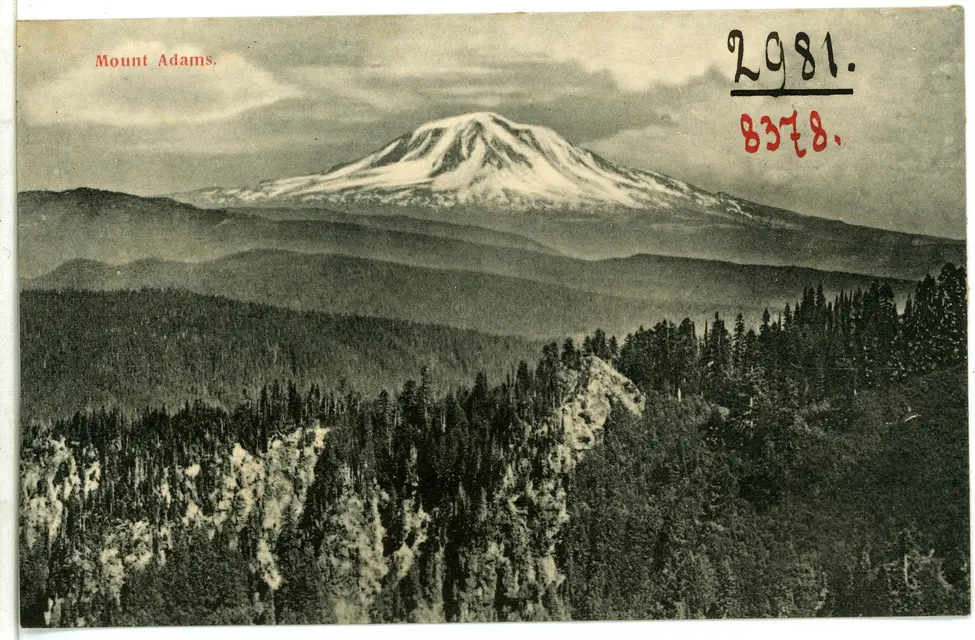
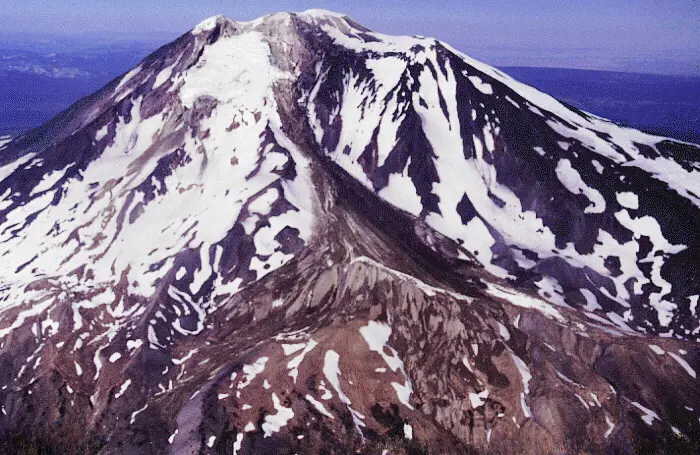
Mount Adams is a stratovolcano in the Cascade Range of Washington State, rising to 12,276 feet and ranking as the second-highest peak in the state. [4] By volume, however, it is the largest volcano in Washington, with a diameter of 18 miles. [1][2] The mountain sits within the Gifford Pinchot National Forest, and the western half of its slopes falls within the designated Mt. Adams Wilderness; the eastern half lies within the Yakama Nation Indian Reservation. [2] Volcanic activity on the mountain spans multiple geologic eras, with the most recent lava flow occurring roughly 1,000 years ago. [4]
The mountain supports more than ten named glaciers on its slopes, which feed the forests, streams, and meadows at lower elevations. [1][4] Its ecological zones range from Douglas fir and western hemlock forests on the wetter western slopes to drier ponderosa pine forests on the eastern side, supporting wildlife including Roosevelt elk, black-tailed deer, and diverse bird species. [4]
Activities & Experiences
Mountaineering is a primary draw, with multiple climbing routes of varying difficulty leading to the summit; the South Spur is the least technical option. [4] All routes require alpine mountaineering skills, including proficiency with ice axe and crampons, and some demand advanced navigation of crevasses, ice falls, and rock headwalls. [1] Hiking, backpacking, and camping are popular throughout the warmer months, with several trailheads providing access to views of glaciers, mountain streams, meadows, open alpine forests, and lava flows. [2][4] The Pacific Crest Trail crosses the western flank of the mountain. [4]
In winter, visitors use the area for cross-country skiing and snowmobiling. [4] Wildflowers are abundant during summer months. [4]
Practical Access
Multiple trailheads access the Mt. Adams Wilderness, including South Climb, Killen Creek, Muddy Meadows, Stagman Ridge, and others. [2] A Mt. Adams Climbing Activity Pass is required for anyone age 16 or older climbing above 7,000 feet elevation between May 1 and September 30; the pass costs USD 20 per person and is valid for a single climbing trip. [1] Climbers under 16 are exempt from the pass fee. [1] Visitors parked at the South Climb Trailhead who are not climbing above 7,000 feet must purchase a day pass. [1]
Passes are purchased through Recreation.gov and are non-transferable and non-refundable. [1] The party leader must register the names of all members age 16 and older, along with a license plate for each vehicle at the trailhead. [1] Weather can change rapidly above 6,000 feet, with sudden snowstorms possible in any month of the year. [1]
Restrictions
A climbing pass is mandatory for anyone 16 or older traveling above 7,000 feet elevation from May 1 through September 30. [1][2] All climbers must pack out human waste using carry-out bags. [1] Wilderness Regulations apply throughout the Mt. Adams Wilderness, including on the higher ridges and summit. [2]
The eastern half of the mountain, within the Yakama Nation Indian Reservation, is largely closed to recreation. [2] Permits are required to use the section of the Round-the-Mountain Trail that passes through the Yakama Indian Reservation Tract D Recreation Area, where camping is restricted to designated sites only. [2] Search and rescue operations in the area are limited; visitors are advised to carry emergency gear, plan for self-rescue, and keep at least one fully charged cell phone per group. [1]
What Makes It Distinctive
Despite being the second-tallest peak in Washington, Mount Adams receives considerably less visitor traffic than Mount Rainier or Mount St. Helens, offering a comparatively remote wilderness experience. [4] Its exceptional bulk, the largest of any Washington volcano by volume, gives it a broad, multi-route summit that accommodates climbers across a range of skill levels, from the straightforward South Spur to technically demanding glacier routes. [1][2]
The mountain also sits at the boundary of two distinct ecosystems and two distinct jurisdictions, with the US Forest Service managing the western wilderness and the Yakama Nation managing the eastern slopes, a division that reflects the mountain's deep cultural significance to Indigenous peoples who have named and revered it for centuries. [2][4]
Sources
- Mt. Adams Climbing Activity Pass Pass in Washington - Recreation.gov
- Gifford Pinchot National Forest | Wilderness: Mt. Adams | Forest Service
- Mount Adams | U.S. Geological Survey
- Mount Adams (Washington)
- Open year-round
- Best months: June–September
- Typical duration: 4h
Access & fees
- $20 climbing pass, per person
- day pass if not climbing above 7,000 ft
- free for under-16 climbers
Things to do
- alpine mountaineering
- biking
- campgrounds are open in the summer
- camping
- cross-country skiing
- equestrian sports
- hiking and backpacking
- mountaineering / summit climbing
- mountaineering, multiple routes
- pacific crest trail access
- snowmobiling
- snowshoeing
- stargazing
- summit mountaineering
Amenities
- avenza wilderness map available
- multiple named trailheads
Best time to visit
- climbing season may–sept
- hiking and backpacking
- summer hiking and climbing
- wildflowers peak in summer
Events & seasons
- climbing pass required annually
- climbing pass required season
Features
- 12 named glaciers
- 12,276 ft stratovolcano
- 47,122-acre wilderness
- dual jurisdiction
- eastern half yakama nation land
- largest volcano by bulk in washington
- last lava flow ~1,000 years ago
- recent volcanic activity
- second-highest washington peak
- stratovolcano, cascade range
Nearby
- columbia river, 30 mi south
- gifford pinchot national forest
- mount rainier
- mount st. helens
- pacific crest trail
- yakama nation reservation (east half)
Good to know
- alpine gear required all routes
- climbing pass required above 7,000 ft
- day pass required at south climb trailhead
- eastern half closed to public
- human waste pack-out required
- limited search and rescue
- rapid weather changes above 6,000 ft
- rapid weather changes possible
- self-rescue preparedness advised
- wilderness regulations apply
- yakama nation permit required
Photos