Moraine Lake
About
What It Is
Moraine Lake is a glacially and snow-fed alpine lake located in the Valley of the Ten Peaks within Banff National Park, Alberta, Canada, roughly 14 kilometres from the village of Lake Louise [1]. It sits at an elevation of approximately 1,884 metres and covers a surface area of 50 hectares [1]. The lake is entirely natural and has never been dammed, drained, or otherwise altered by humans beyond strictly controlled visitor services [1].
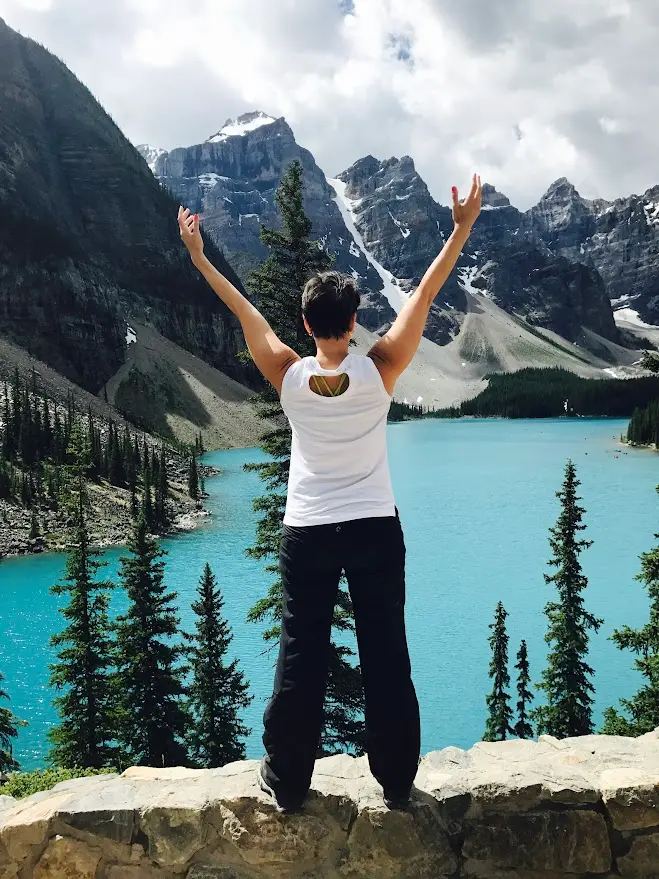
The lake is best known for its vivid azure colour, which results from the refraction of light off glacial rock flour continuously deposited into the water during summer [1]. Because it is fed almost entirely by snowmelt and glacial melt, it does not reach full water level until mid to late June [1].
Activities & Experiences
The most popular walk at the lake is the Rockpile Trail, a short path of approximately 300 metres along the natural moraine with an elevation gain of 24 metres [1]. The viewpoint at the top is among the most photographed spots in Canada and is historically known as the Twenty Dollar View, as the scene appeared on the reverse of the 1969 and 1979 Canadian twenty-dollar bill [1].
From the same trailhead, visitors can access the Consolation Lakes Trail, a roughly 3-kilometre route with 90 metres of elevation gain, which leads to a lower lake and an upper lake reachable by scrambling over rocky terrain [1]. Near the canoe docks, a second trailhead provides access to five trails including the Moraine Lake Lakeshore Trail, Eiffel Lake, Wenkchemna Pass, Larch Valley, and Sentinel Pass [1]. Mountaineers can also use the Perren Route from the lake to reach the Neil Colgan Hut, a journey of 8 to 12 hours [1].
Practical Access
The access road to Moraine Lake is open only during summer months, generally June through September [1]. As of 2023, Parks Canada prohibits personal vehicles on the road year-round; visitors must arrive by Parks Canada shuttle, public transit, or a licensed commercial operator [1]. The road remains open to cyclists and pedestrians, and is 10 kilometres one-way [1].
Visitors with disabilities are exempt from the vehicle restriction provided they hold a valid permit [1]. Hiking trails in the area are occasionally subject to temporary restrictions [1].
Restrictions
Personal vehicles are not permitted on the Moraine Lake road at any time of year, as of 2023; access is limited to shuttles, public transit, commercial operators, cyclists, and pedestrians, with a permit-based exemption for visitors with disabilities [1]. The lake water is not safe to drink without both filtration and boiling, as it contains glacial silt and bacteria despite its clear appearance [1].
What Makes It Distinctive
Moraine Lake is one of the most visually recognized lakes in Canada, having appeared on a national banknote, multiple major operating system wallpapers, and numerous international media platforms [1]. Its colour, produced by glacial rock flour rather than algae or minerals, is a direct and visible product of the surrounding glaciers and changes with seasonal melt cycles [1].
The combination of a short, accessible viewpoint trail and a network of longer backcountry routes makes the lake suitable for a wide range of visitors, from those seeking a brief stop to those pursuing full-day mountaineering objectives [1]. The Valley of the Ten Peaks backdrop, visible from the Rockpile, provides a panoramic mountain setting that is difficult to match elsewhere in the Canadian Rockies [1].
Sources
- Best months: July–September
- Typical duration: 2h
Access & fees
- parks canada shuttle required
Things to do
- consolation lakes hiking
- cycling to lake
- mountaineering (neil colgan hut)
- multi-trail hiking hub
- rockpile trail hiking
Before you go
- lake water not potable
- trails occasionally restricted
Best time to visit
- full lake level
- road open season
Features
- "twenty dollar view"
- azure glacial colour
- glacial alpine lake
- glacial colour changes seasonally
- national banknote and OS wallpaper
- unaltered natural lake
- valley of ten peaks
Nearby
- village of lake louise
Good to know
- cycling and walking allowed
- disability permit vehicle exemption
- no personal vehicles
- shuttle or transit access
- water not potable