Lake Enriquillo
About
What It Is
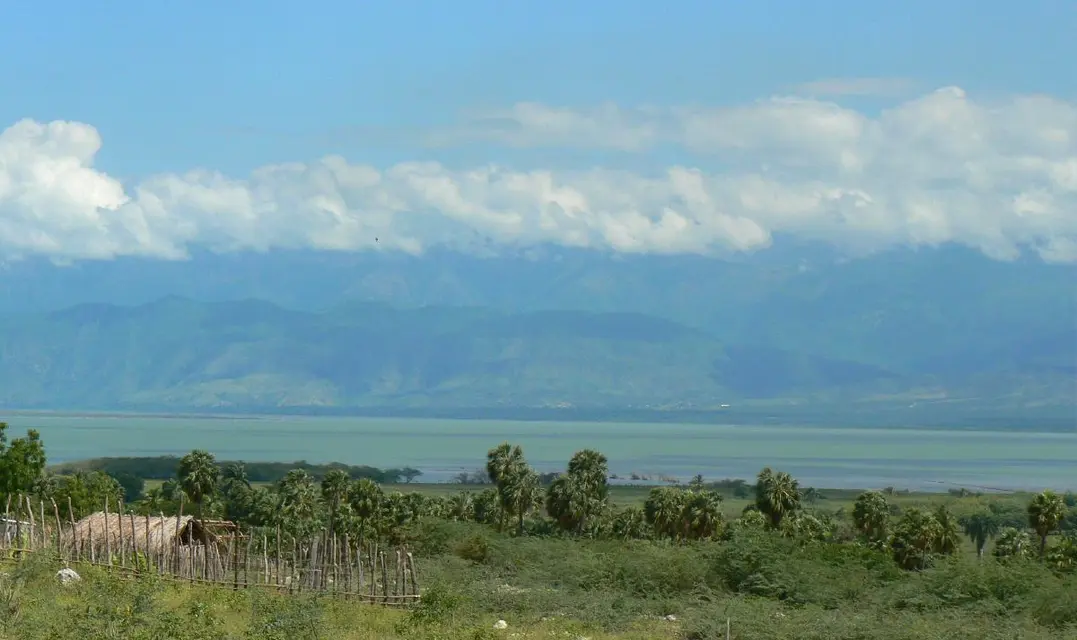
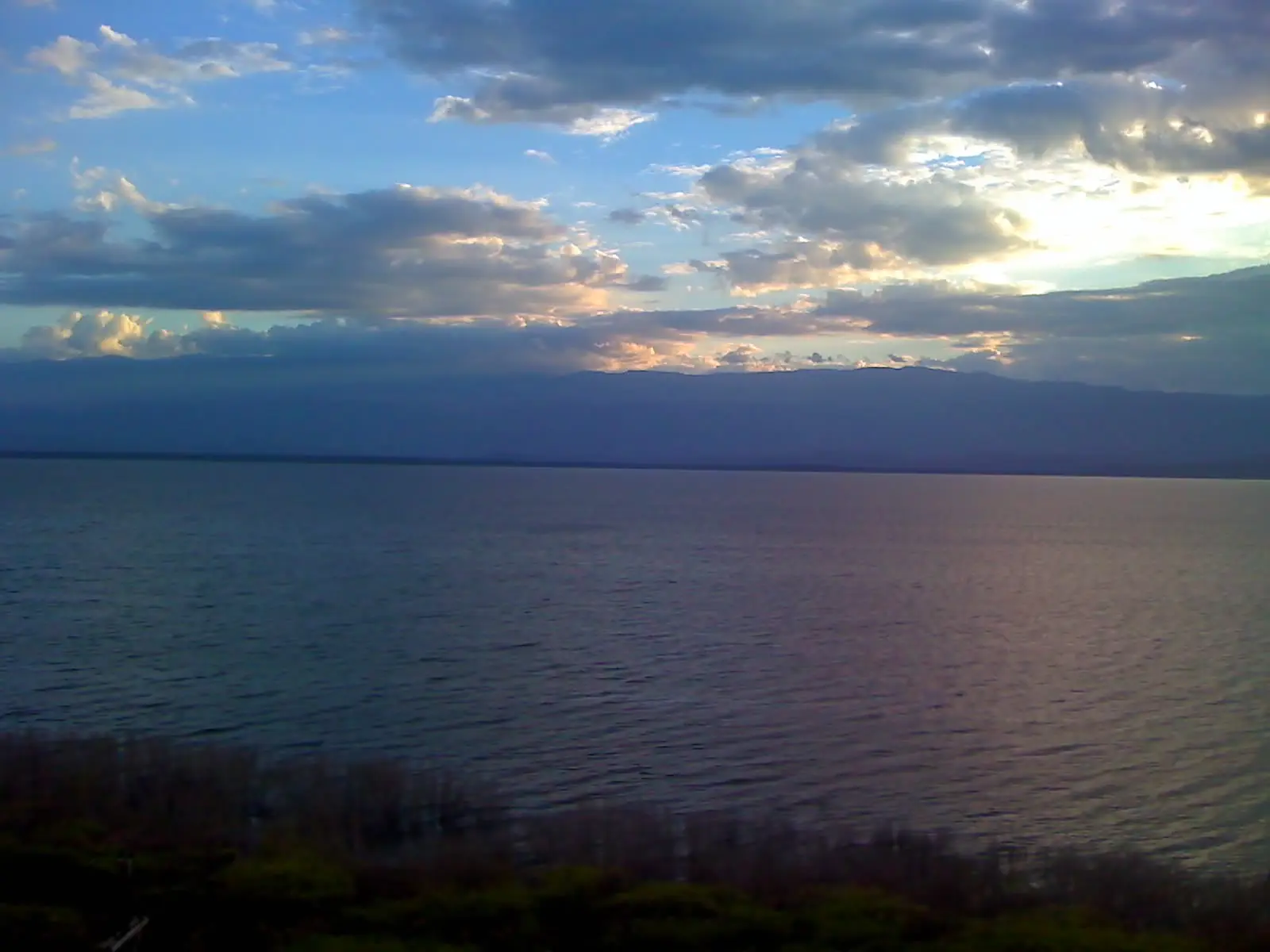
Lake Enriquillo is a hypersaline, landlocked lake in the southwestern Dominican Republic, straddling the provinces of Bahoruco and Independencia [1]. It is the largest lake in the Dominican Republic, in Hispaniola, and in the entire Caribbean, and it holds the distinction of being the lowest point of any island country, sitting 46 m (151 ft) below sea level [1]. The lake and its sole remaining island, Isla Cabritos, are protected within a national park established in 1974, which was later incorporated into the Jaragua-Bahoruco-Enriquillo Biosphere Reserve in 2002 [1]. The lake takes its name from Enriquillo, a Taino cacique who led a rebellion against Spanish colonizers in the early 16th century [1].
The lake has no outlet, making it endorheic, and its salinity fluctuates widely — from roughly 33 parts per thousand, comparable to seawater, to over 100 parts per thousand under hypersaline conditions [1]. Between 2004 and 2011, the lake's surface area more than doubled, from approximately 164 km2 to 350 km2, submerging two of the three islands that once existed within it [1].
Activities & Experiences
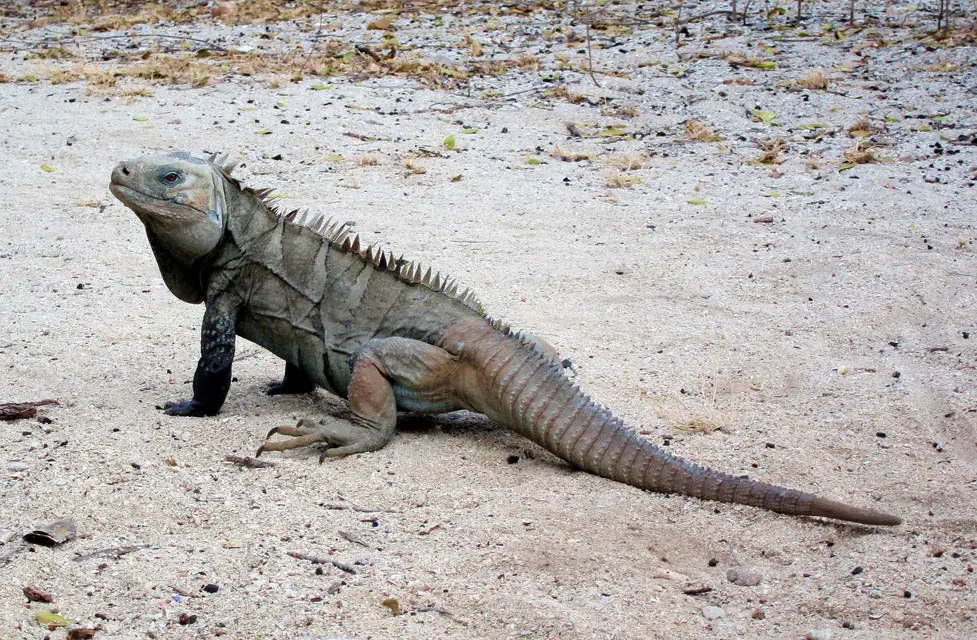
Visitors can observe a remarkable concentration of American crocodiles, which represent the largest population of that species in the Caribbean [1]. Isla Cabritos, the lake's only remaining island, is a focal point for wildlife viewing, including flocks of American flamingos and two endangered iguana species endemic to Hispaniola: the Ricord's iguana and the rhinoceros iguana [1]. The area also supports the endemic Hispaniola racer snake, three native fish species, and arid-adapted plants including endemic cacti [1].
The lake is also a destination for cultural heritage: a group of pre-Taino petroglyphs, known locally as "las caritas" (the faces), can be found in the area [1]. The town of La Descubierta is the nearest community to the national park entrance and serves as a practical base for visits [1].
Practical Access
The town of La Descubierta is the closest settlement to the entrance of Lago Enriquillo and Isla Cabritos National Park and is the standard point of entry for visitors [1]. The region has a hot, semiarid climate; peak rainfall occurs in May and October, while the dry season runs from December through April, when monthly rainfall can fall below 20 mm [1]. No specific hours, fees, or reservation requirements are stated in the available sources.
Restrictions
No specific restrictions noted in the sources.
What Makes It Distinctive
Lake Enriquillo combines superlatives that are rare in a single location: it is simultaneously the Caribbean's largest lake, the lowest point of any island country, and home to the Caribbean's largest American crocodile population [1]. The coexistence of two endangered, Hispaniola-endemic iguana species alongside flamingo colonies and hypersaline conditions found nowhere else in the region gives the site an ecological profile with no close parallel in the Caribbean [1]. Its geological origin as a former marine strait, its ongoing and dramatic rise in water levels, and its layered Taino and colonial history add scientific and cultural dimensions that extend well beyond a typical nature reserve [1].
Sources
- Open year-round
- Typical duration: 6h
Things to do
- island visit: isla cabritos
- wildlife viewing: crocodiles
Before you go
- rising water levels ongoing
Best time to visit
- avoid dry season for greenery
Features
- endemic cactus species
- endemic snake present
- former marine strait
- largest caribbean lake
- lowest island-country point
- named after taino cacique
- national park since 1974
- seismic activity common
- surface area ~380 km2
- three native fish species
Nearby
- jimaní (independencia province capital)
- neiba (baoruco province capital)
Good to know
- gateway town: la descubierta
- hot, semiarid climate
Photos