Harriet Tubman National Historical Park
About
What It Is
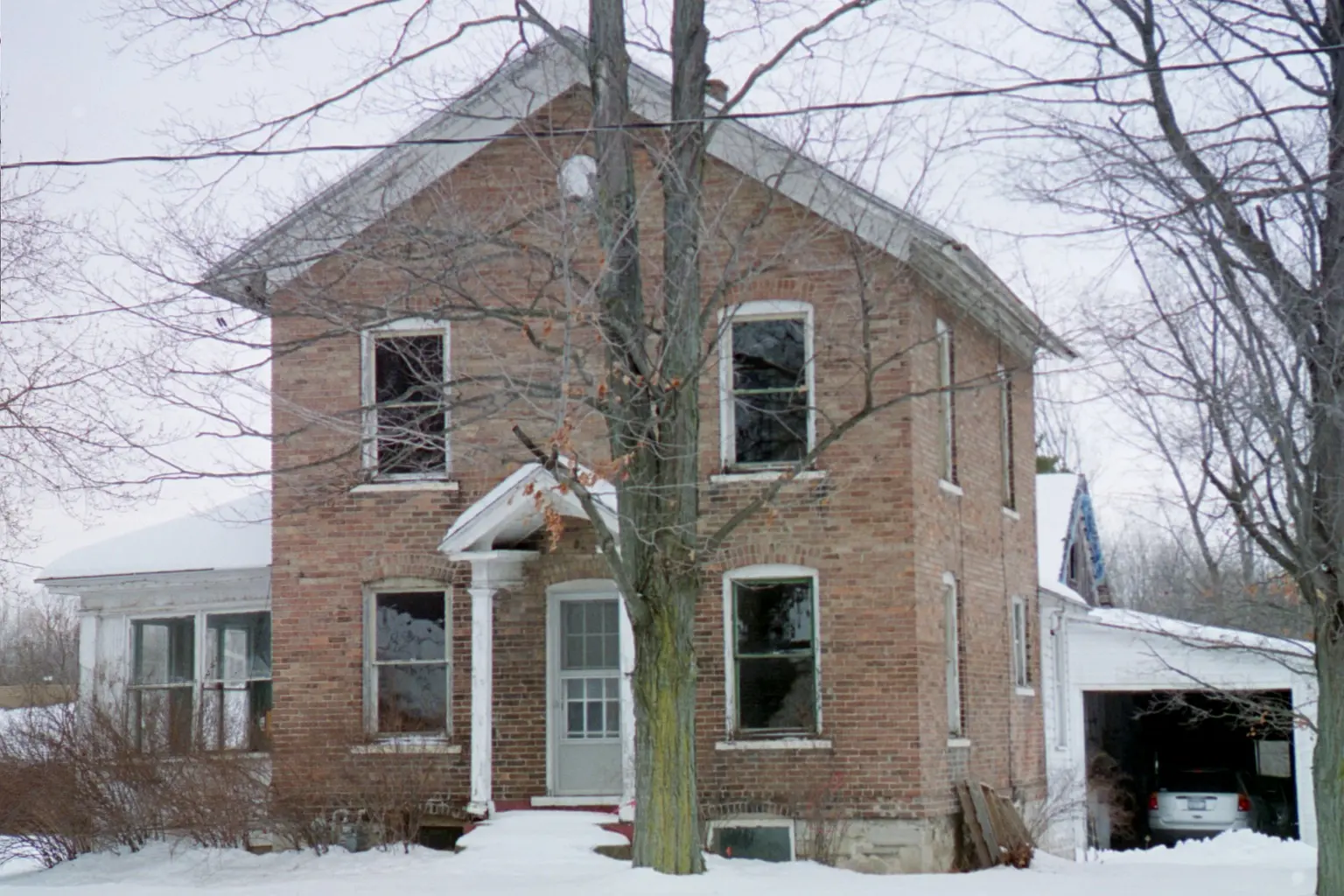
Harriet Tubman National Historical Park is a U.S. national historical park located in Auburn and Fleming, New York, established on January 10, 2017 [2]. It commemorates the later years of Harriet Tubman's life and preserves three principal properties: the Harriet Tubman Residence, the Harriet Tubman Home for the Aged, and the Thompson Memorial A.M.E. Zion Church and parsonage [2]. The park became the 51st national historical park and the 414th unit of the U.S. national park system [2]. Together, these properties also constitute a National Historic Landmark [2].
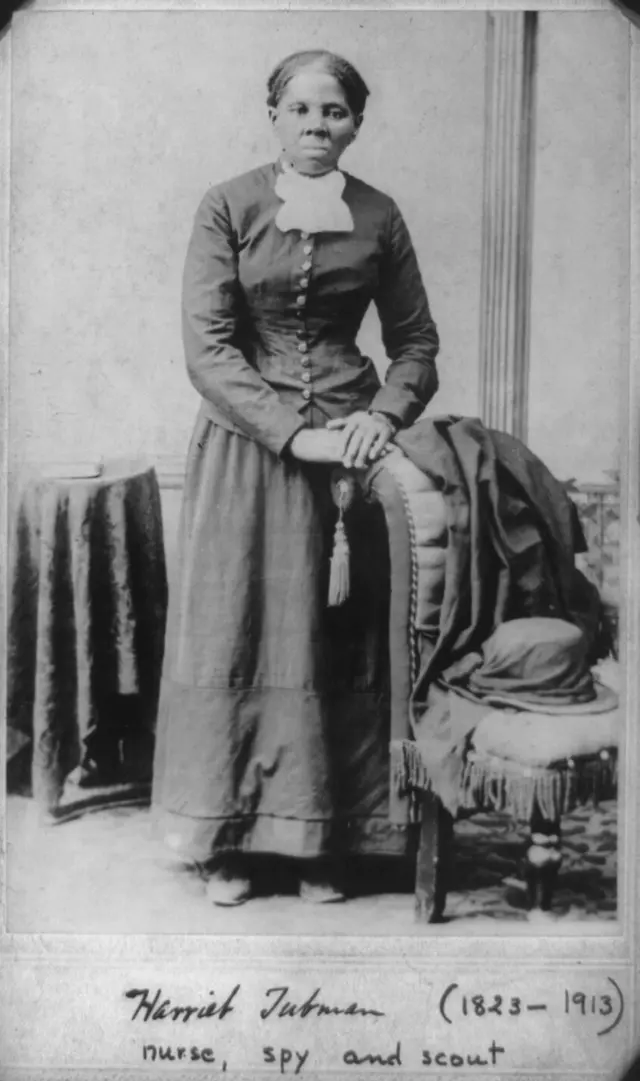
Tubman moved to the Auburn and Fleming area in 1859 after years of work on the Underground Railroad, and she remained there until her death in 1913 [1]. Central New York at that time was a hub for abolitionist and women's suffrage activity, and Tubman continued advocating for human rights throughout her decades in the region [1]. The park focuses specifically on this period of her life in freedom, distinct from the earlier Underground Railroad years covered by the sister park in Maryland [2].
Activities & Experiences
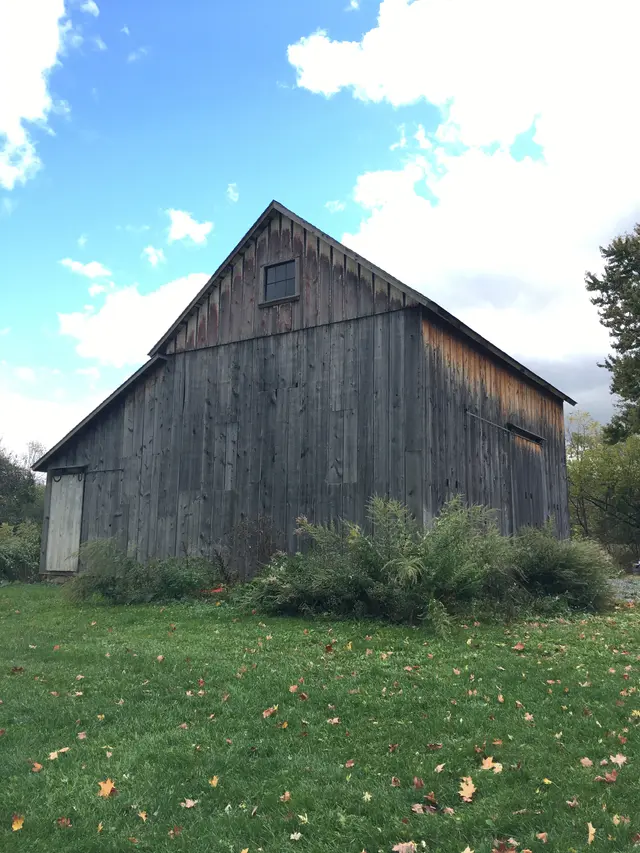
Visitors to the South Street properties can take a guided tour that begins at the Harriet Tubman Visitor Center and includes access to the historic buildings and grounds [4]. The tour, operated by the Harriet Tubman Home, Inc., lasts approximately one hour and 45 minutes and covers the brick residence, the Home for the Aged, and a historic barn on the roughly 32-acre campus [3][4][5]. Displays inside feature artifacts unearthed through decades of archaeological fieldwork, including toy figurines and teacups recovered from the site [5].
At the Thompson Memorial A.M.E. Zion Church unit on Parker Street, visitors may walk the grounds and view the exterior of the historic church and adjacent rectory from dawn to dusk [4]. Ranger programs led by National Park Service staff are also available, offering exploration of Tubman's life and legacy in Auburn [1]. Special events and a calendar of activities are posted through the park [1].
Practical Access
The Harriet Tubman Visitor Center is located at 180 South Street, Auburn, New York, and the Thompson A.M.E. Zion Church is at 49 Parker Street, Auburn [4]. Guided tours at the South Street properties run Tuesday through Saturday at 10:00 a.m. and 2:00 p.m. by appointment only; the site is closed Sunday and Monday [3]. Appointments must be made at least 24 hours in advance by calling 315-252-2081, and groups of 25 or more must speak with staff directly [3]. The outdoor portion of the tour may be cancelled during extreme weather conditions such as lightning, thunder, or extreme heat [3].
Tour fees at the South Street properties are charged by the Harriet Tubman Home, Inc.: adults (ages 18 to 64) pay $7.00, seniors (65 and older) pay $5.00, college students pay $3.00, and youth ages 6 to 17 pay $3.00 [3]. National park passes are not honored for admission to the guided tour [4]. The Thompson A.M.E. Zion Church grounds are open dawn to dusk at no charge, and Fort Hill Cemetery, where Tubman is buried, is also open dawn to dusk but is operated independently from the park [4].
Restrictions
Access to the historic buildings at the South Street properties is only permitted as part of a guided tour; independent entry is not available [4]. The Harriet Tubman Brick Residence and the Home for the Aged are temporarily closed as restoration work is underway; the visitor center remains open for orientation [3]. The Thompson A.M.E. Zion Church and rectory buildings are currently uninhabitable and not open to the public interior; visitors are advised to use caution when walking around that site [4]. The outdoor tour portion at the South Street campus is cancelled when there is lightning, thunder, or extreme heat [3].
What Makes It Distinctive
This park is one of only two NPS units dedicated to Harriet Tubman, and it is the only one focused on her decades of life in freedom rather than her Underground Railroad years [2]. It preserves the actual property where Tubman lived, founded a home for elderly African Americans, and worshipped for 22 years, making it a site of direct personal and community history rather than a commemorative monument [1][2][7]. The park is also one of only 13 U.S. national park sites specifically commemorating women's history [7].
Nearly 20 years of archaeological fieldwork by Syracuse University students and faculty produced findings about Tubman's household and community that would otherwise have been unknown, and artifacts from that research are on display for visitors [5]. The joint management structure between the NPS and the Harriet Tubman Home, Inc., an AME Zion Church-affiliated nonprofit, reflects the continuous stewardship of the site by the same religious community Tubman herself entrusted with her property [2][3].
Sources
- Harriet Tubman National Historical Park (U.S. National Park Service)
- Harriet Tubman National Historical Park
- Harriet Tubman Home, Inc.
- Harriet Tubman National Historical Park — Federal Register
- Congressional Testimony on Harriet Tubman National Historical Parks — U.S. House Natural Resources Committee
- Typical duration: 2h
Access & fees
- adult admission (18–64)
- senior admission (65+)
- youth admission (6–17)
Things to do
- artifact displays
- grounds walking
- guided historic tour
- historic site exploration
- local history research
- ranger-led programs
- special events
Before you go
- advance booking required
- buildings temporarily closed
- call before visiting
- church buildings not publicly accessible
- national park passes not accepted
- outdoor tour weather cancellation
Features
- ~32-acre south street campus
- 3 historic properties
- church under restoration
- focus: tubman's later life
- historic barn on site
- home for the aged rebuilt 1953
- joint nps and nonprofit management
- national historic landmark
- save america's treasures grant
- thompson a.m.e. zion church
- tubman grave nearby
- tubman residence: 1859-1913
- visitor center on site
- women's history park
Nearby
- 20+ ny state parks nearby
- fort hill cemetery
- sister park in maryland
Good to know
- established jan 10, 2017
- fees and passes apply
- grounds close 4:00pm
- groups 25+ need staff contact
- mailing: auburn, ny 13021
- nps app available
- off-season visits possible
- phone: (315) 835-5945
- timed entry available
- tour days: tue–sat
- tour duration ~1hr 45min
- tour times: 10am, 2pm
- visitor center open for orientation
Photos