Ebey's Landing National Historical Reserve
About
Location: Whidbey Island, Puget Sound, Washington — near Coupeville, Island County [2]
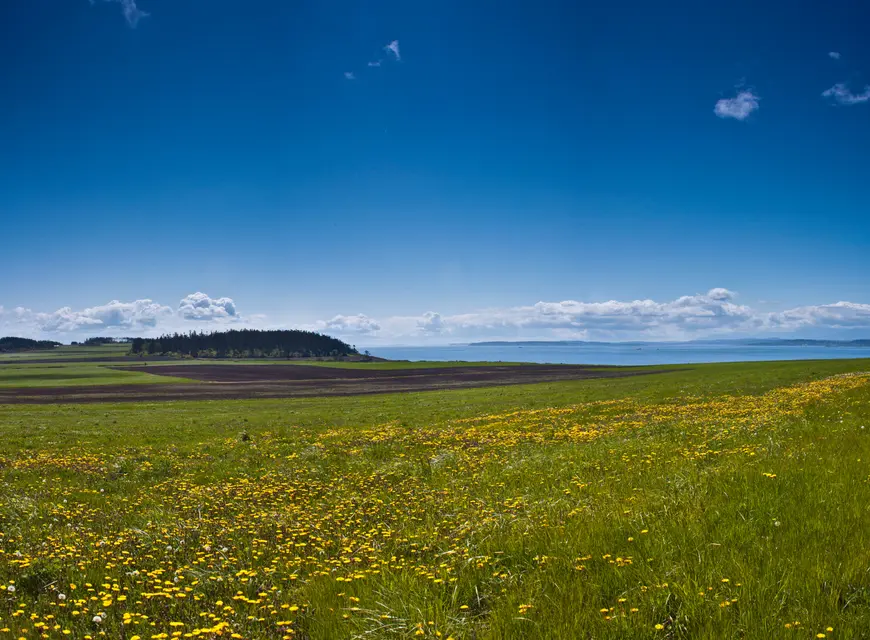
Established in 1978 as the first national historical reserve in the United States, Ebey's Landing covers approximately 17,572 acres (7,111 hectares) on central Whidbey Island [3]. It is a National Park Service unit, though only 209 acres of that total are federally owned; the remainder is a patchwork of state, county, and private land managed through a local trust board [2][3]. The reserve's core purpose is to maintain a living, working rural landscape — farms on the central prairies are still actively cultivated on donation land claims originally filed in the 1850s under the Donation Land Claim Act [2][3].
What It Is
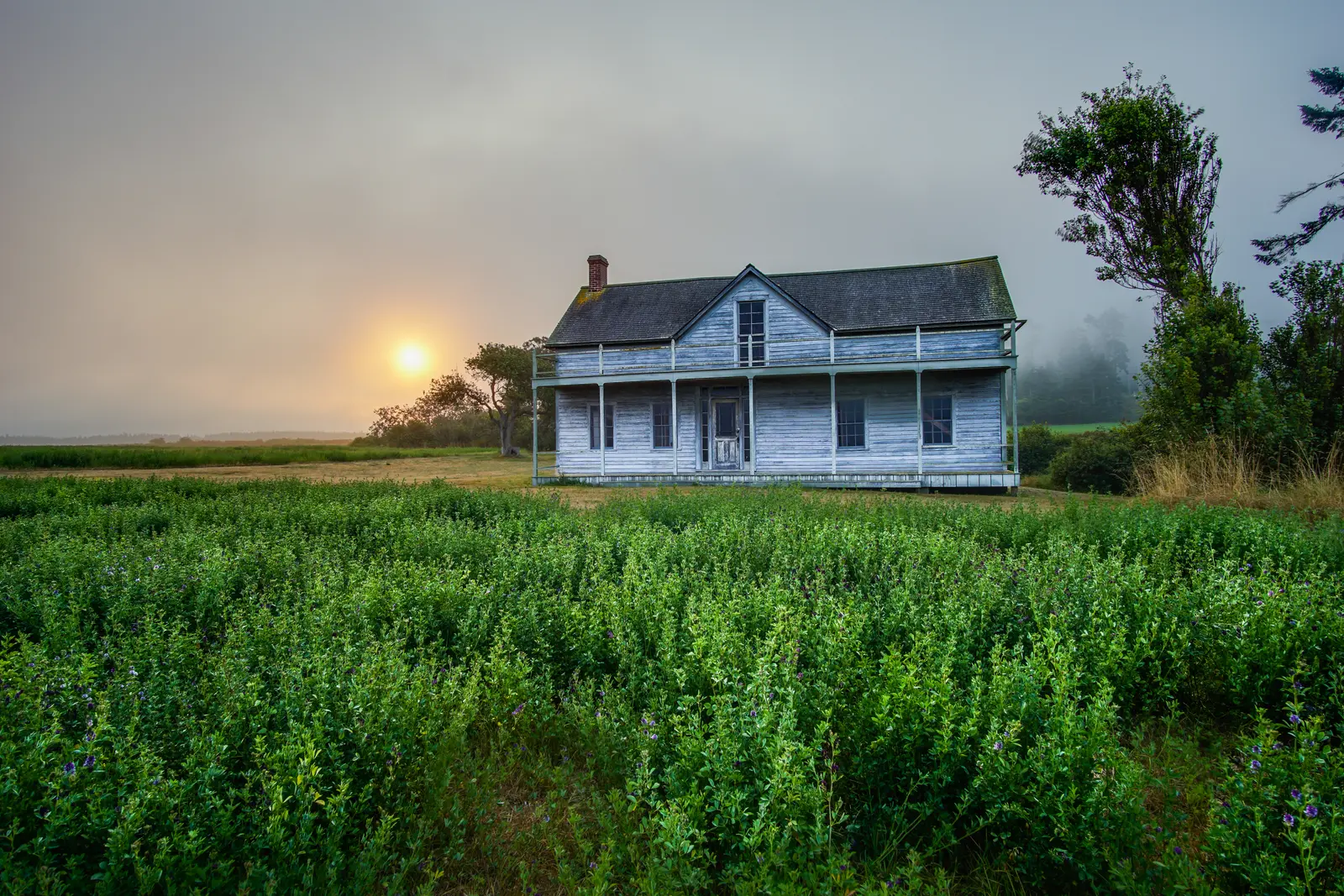
The reserve functions as a rural historic district documenting Pacific Northwest exploration and settlement from the 19th century to the present [2]. Key components include the Victorian seaport town of Coupeville (one of Washington's oldest towns), Fort Casey Historical State Park, Fort Ebey State Park, the Admiralty Inlet Natural Area Preserve, and a segment of the Pacific Northwest National Scenic Trail [2][3]. The Central Whidbey Island Historic District — including the Coupeville grain wharf and the Sergeant Clark House — is listed on the National Register of Historic Places [2].
History in Brief
Skagit Indians maintained permanent villages on Penn Cove shores as early as 1300, managing prairies through selective burning and cultivation [3]. Captain George Vancouver named Whidbey Island in 1792 after his lieutenant, Joseph Whidbey [3]. Colonel Isaac Ebey filed one of the first donation land claims on the island in 1850–1851; his father Jacob's home and a blockhouse still stand overlooking the prairie [3]. Fort Casey was constructed in the late 1890s as part of a three-fort system defending Puget Sound's entrance, and Fort Ebey dates to World War II [3].
What to Do
- Walk the Bluff Trail, which provides views over the Strait of Juan de Fuca [1]
- Explore the Kettle trails across the reserve [1]
- Take a walking tour of historic Coupeville, including its 19th-century commercial buildings and historic wharf [1][3]
- Access the Pacific Northwest National Scenic Trail segment within the reserve [2]
- Participate in the Junior Ranger Program [1]
- Attend public Trust Board meetings and workshops [1]
- Tour the Ferry House in person or via a virtual NPS StoryMap [1]
Practical Access
The reserve is centered on Coupeville, reachable via Washington State Ferry to Whidbey Island [1]. Three state parks — Fort Casey, Fort Ebey, and Ebey's Landing State Park — lie within the reserve boundaries [1]. Pets are permitted with conditions [1]. No entry fee is indicated for the reserve itself in the sources [1].
What Makes It Distinctive
Unlike conventional national parks, Ebey's Landing preserves a genuinely inhabited, working agricultural community rather than a frozen historic site — the same family land claims staked in the 1850s are still farmed today [2][3]. The 1943 Coupeville Outlying Landing Field remains active for Navy carrier landing practice [3].
Sources
- Open year-round
- Best months: May–October
- Typical duration: 3h
Access & fees
- no entry fee
Things to do
- coupeville walking tour
- ferry house tour
- hiking bluff trail
- junior ranger program
- kettle trails hiking
- pacific northwest trail access
Amenities
- nps storymap available
- pets permitted
Events & seasons
- trust board meetings
Features
- 17,572 acres total
- active Navy landing field
- first u.s. historical reserve
- Fort Casey three-fort defense system
- Isaac Ebey homestead and blockhouse
- mixed land ownership
- national register district
- Skagit Indian villages from 1300
- working farms active
Nearby
- admiralty inlet natural area
- coupeville historic town
- Ebey's Landing State Park
- fort casey state park
- fort ebey state park
Good to know
- access via wa state ferry
- managed by local trust board
- phone: 360-678-6084
Photos