Discovery Park
About
What It Is
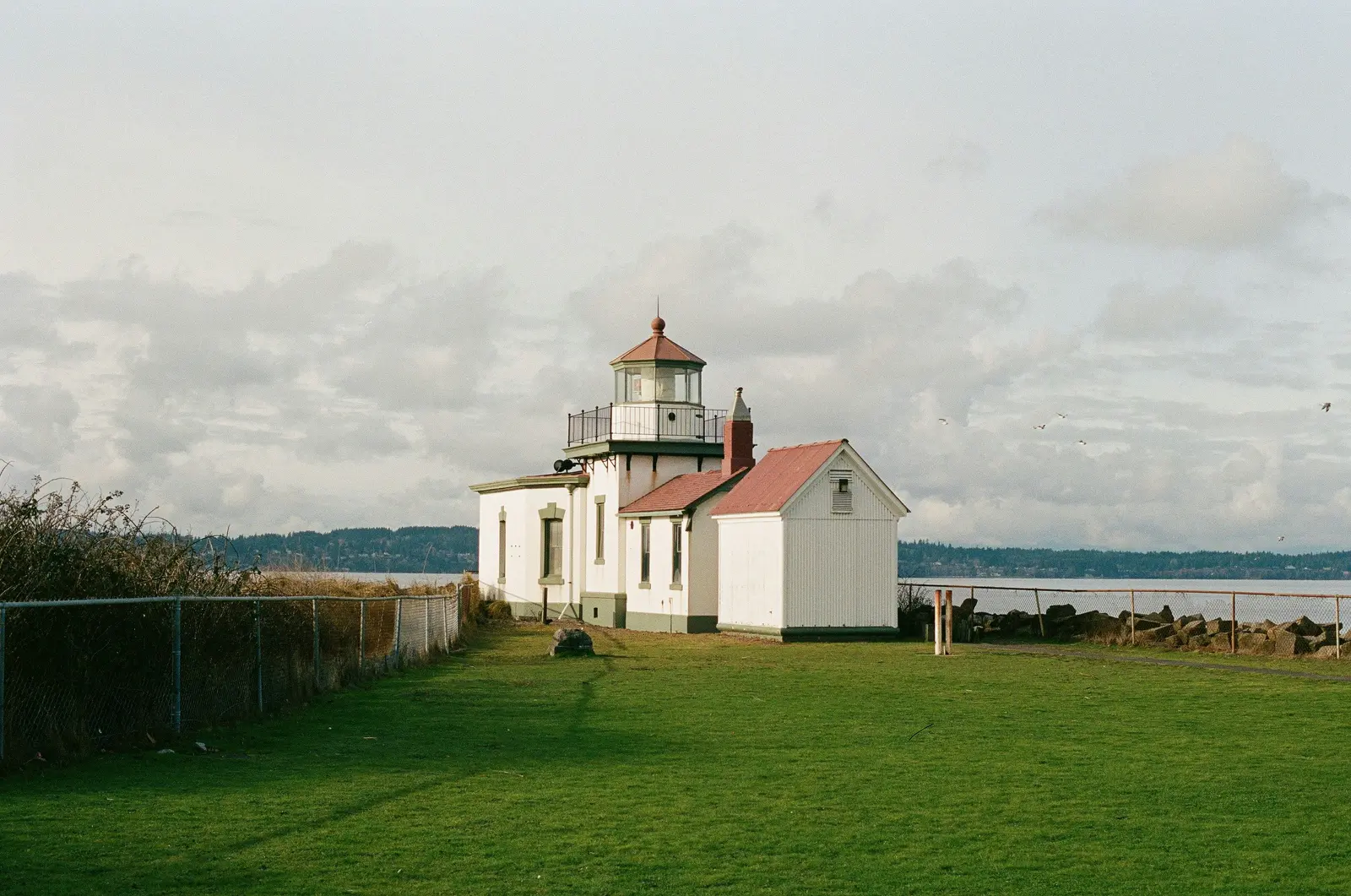
Discovery Park is a 534-acre public park situated on the shores of Puget Sound in Seattle's Magnolia neighborhood, making it the largest park in the city [1]. The land was originally the site of Fort Lawton, a U.S. Army installation established in 1900; the city received the surplus land in 1972 and dedicated it as a park in 1973, naming it in honor of HMS Discovery, the British sloop that participated in the first European exploration of Puget Sound in 1792 [1]. The Fort Lawton Historic District and the West Point Lighthouse are both listed on the National Register of Historic Places [1]. The Daybreak Star Cultural Center is also located within the park's boundaries [1].
Activities & Experiences
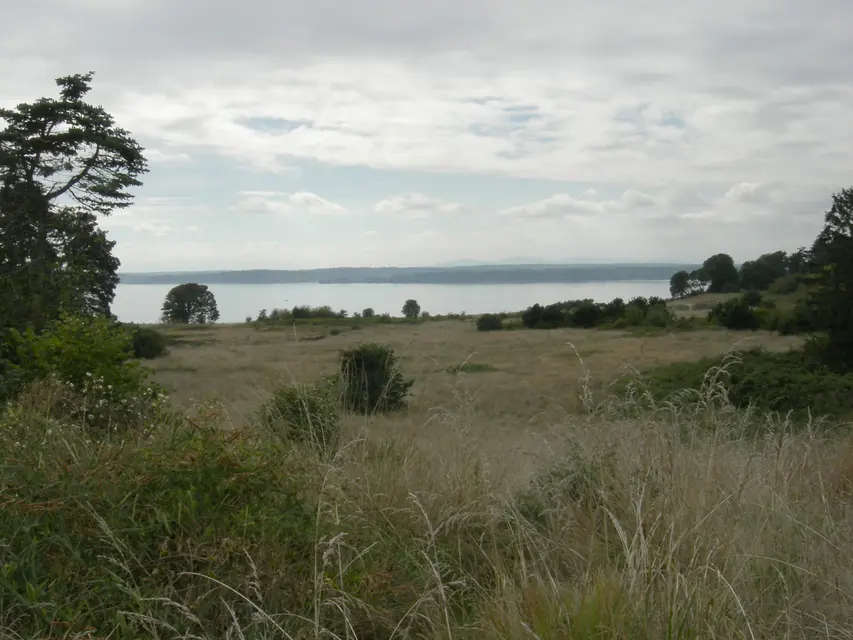
The park contains 11.81 miles of walking trails, with the 2.8-mile Discovery Park Loop Trail — designated a National Recreation Trail in 1975 — forming the primary circuit through forest, meadow, and shrub habitats while offering views of Puget Sound [1]. Visitors can access two distinct beach areas: the south beach faces Elliott Bay on the windward side of the peninsula, while the north beach sits on the leeward side with views of Shilshole Bay; the West Point Lighthouse stands at the point between them [1]. The park is considered one of Seattle's best wildlife-viewing locations, with the Seattle Audubon Society having recorded 270 bird species in the park and nearby waters, and harbor seals and California sea lions present in the surrounding bays [1]. The West Point Lighthouse, built in 1881, is a notable landmark within the park [2].
Practical Access
The shoreline can be reached by road or trail, though the hike back up from the north beach is described as mildly strenuous [1]. Driving a vehicle to the beach requires a permit, which is available free of charge at the Environmental Learning Center in the East Parking Lot; permits are designated only for groups with children aged 7 and under, adults aged 62 and older, and people with a physical disability [1]. As of 2026, Seattle plans to cut funding for environmental education programs by 50%, which may result in the closure of the Discovery Park Visitor Center unless a private operator is found [1].
Restrictions
A permit is required before driving a vehicle to the beach; free permits are issued at the Environmental Learning Center and are restricted to qualifying groups — those with children 7 and under, seniors 62 and older, and individuals with a physical disability [1]. Clothing-optional use of the more remote beach areas is not sanctioned by the city [1].
What Makes It Distinctive
At 534 acres, Discovery Park is Seattle's largest park and offers an unusually varied landscape — coniferous forest, deciduous woodland, open meadow, coastal bluff, and two distinct beach environments — within city limits [1][2]. Its location on a Puget Sound peninsula means wildlife encounters typical of the broader Pacific Northwest, including marine mammals and a documented checklist of 270 bird species, are accessible without leaving Seattle [1]. The park also carries significant historical depth, combining a preserved military historic district, a National Register lighthouse dating to 1881, and a cultural center, alongside its natural features [1][2].
Sources
- Discovery Park (Seattle)
- Seattle Parks & Wildlife – Visit Seattle
- Discovery Park - Parks | seattle.gov
- Discovery Park History - Parks | seattle.gov
- Visit Us! - Daybreak Star Indian Cultural Center | United Indians of All Tribes Foundation
- Open year-round
- Typical duration: 2h
Access & fees
- beach driving permit
- free entry
Things to do
- beach access by trail or road
- beach exploration
- birdwatching
- exploring fort lawton history
- hiking
- hiking loop trail
- mildly strenuous return hike
- nature observation
- photography
- picnicking
- sunset watching
- trail running
- visiting west point lighthouse
- wildlife watching
Before you go
- visitor center closure risk
Amenities
- daybreak star cultural center
- environmental learning center
- two parking lots
- visitor center
Best time to visit
- fall foliage viewing
Features
- 11.81 miles of trails
- 270 bird species recorded
- 534-acre public park
- coniferous and deciduous forest habitats
- diverse landscape types
- fort lawton historic district
- large mammals documented on site
- named after HMS Discovery
- puget sound shoreline
- west point lighthouse
Nearby
- elliott bay and shilshole bay
- magnolia neighborhood
Good to know
- 11.81 miles total trails
- beach vehicle permit eligibility
- invasive species management ongoing
- north beach hike strenuous
Photos