Cancún Coastline
About
What It Is
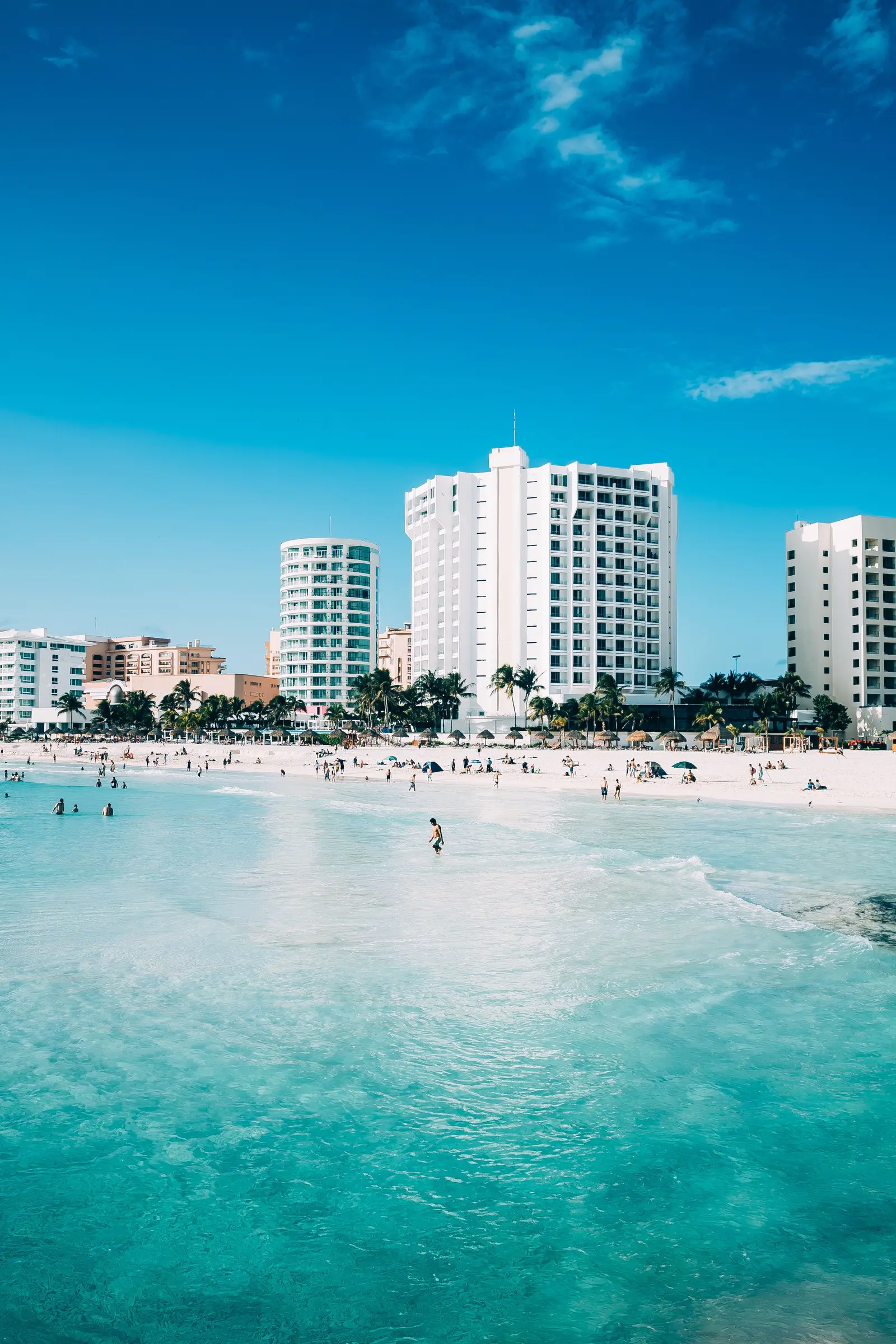
The Cancún coastline is the Caribbean shoreline of Cancún, Quintana Roo, best known for its white-sand beaches and turquoise waters. Much of the visitor-oriented coast runs along the Zona Hotelera, the narrow coastal strip occupied by resorts, public beaches, restaurants, marinas, and tourism facilities. Rather than being a single beach, the coastline comprises a series of named beaches with different conditions and settings, including Playa Las Perlas, Playa Langosta, Playa Tortugas, Playa Chac Mool, Playa Ballenas, Playa Marlín and Playa Delfines. [1][2]
Activities & Experiences
- Swimming — Swimming is possible at many Cancún beaches, but conditions vary by location and day. Visitors should use designated swimming areas and follow the beach safety flags. [1][3]
- Beach Recreation — Relax, sunbathe and walk along Cancún’s characteristic white-sand Caribbean beaches. [2]
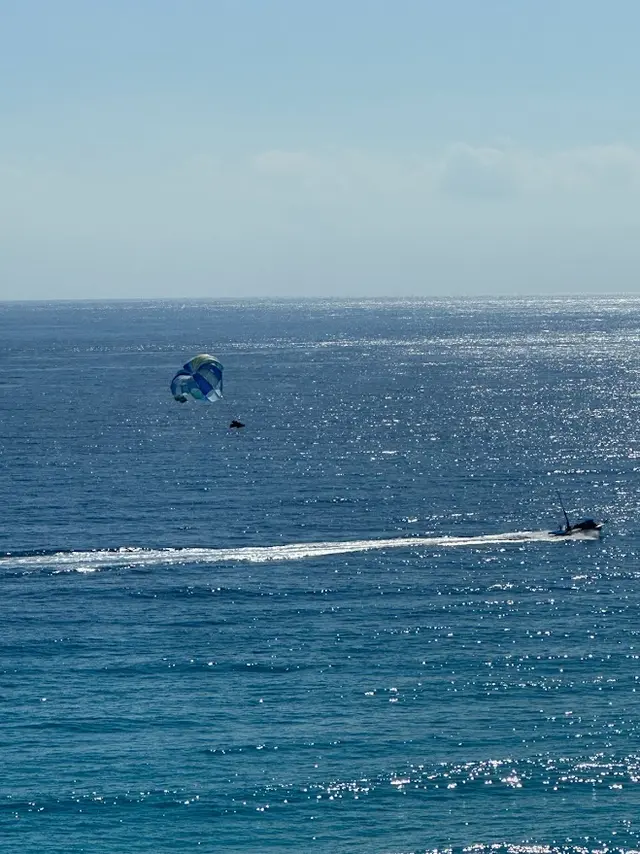
- Water Sports — The coastline supports recreational boating and other water-based activities through Cancún’s beaches, marinas and nautical operators.
- Snorkeling & Marine Excursions — Boat-based excursions provide access to snorkeling and other marine experiences in the waters surrounding Cancún.
- Scenic Coastal Views — Beaches such as Playa Delfines provide broad, unobstructed views of the Caribbean and are among the coastline’s prominent public beach areas.
- Sunrise Viewing — The Caribbean-facing side of the Hotel Zone provides open easterly views, making the coastline particularly suited to sunrise viewing.
- Beachfront Dining & Resort Experiences — Large sections of the Hotel Zone combine direct beach access with hotels, restaurants and visitor services.
Practical Access
Cancún has both resort-front beaches and public beaches. Beach access itself is free at municipal public beaches. [4]
Seven municipally managed public beaches currently hold Blue Flag certification: Playa del Niño, Las Perlas, Chac Mool, Marlín, Ballenas, Delfines and Coral. These beaches provide services that include lifeguards, signage, restrooms/showers, information facilities and accessibility infrastructure; municipal sources also identify parking at the certified beaches. [4][5] Sea conditions can change considerably. Cancún uses a beach flag system:
- Green: conditions considered safe for swimming.
- Yellow: swim with caution.
- Red: entering the water is prohibited. [1][3]
Cancún also operates an official Public Beaches Dashboard, which reports beach conditions including current flag color, lifeguard presence and visitor levels, with information updated during operating hours. [6] Sargassum can periodically accumulate along the coastline. The Mexican Caribbean has experienced significant seasonal arrivals of the floating brown macroalgae, and Cancún carries out ongoing removal operations at public beaches. [6]
Restrictions
- Do not enter the water when a red flag is displayed. [1][3]
- Swim only in designated areas and follow lifeguard instructions. [3]
- A life jacket should be worn when going out on a marine vessel. [3]
- Municipal public beaches are smoke-free, and glass containers are prohibited. [4]
- Visitors should not interfere with sea turtles, nests or hatchlings. Cancún's coastal regulations include specific protections for marine-turtle nesting habitat, including controls on obstacles and nighttime lighting during nesting and hatching periods. [9]
- Water conditions are not uniform along the coastline; currents and wave exposure can differ substantially between beaches, so swimming suitability should be evaluated at the specific beach on the day of the visit. [1][3]
What Makes It Distinctive
Cancún’s coastline is the natural feature around which the modern resort destination developed. Its defining visual combination is bright white sand against intensely turquoise Caribbean water, extending alongside one of Mexico’s largest concentrations of beachfront tourism infrastructure. [2][5] What makes the coastline particularly useful as an attraction in its own right is its variety within a relatively compact area. Visitors are not limited to a single resort beach: the coast includes multiple public beaches, swimming areas, broad open Caribbean viewpoints, boating access and highly developed visitor services.
Sources
- Best months: December–April
- Typical duration: 3 days
Access & fees
- free at public beaches
Things to do
- beach clubs
- beach volleyball
- catamaran and sailing cruises
- deep-sea fishing
- jet skiing
- kayaking
- paddleboarding
- parasailing
- photography
- relax on white-sand beaches
- scuba diving
- shopping and nightlife in the hotel zone
- snorkeling
- sunbathing
- sunrise watching
- sunset watching
- swimming
- water sports
- waterfront dining
Amenities
- 7 Blue Flag public beaches
- disability access ramps
- lifeguard supervision
- public parking
- public restrooms & showers
- shaded rest areas
Best time to visit
- visit between december and april for the driest weather and clear skies.
- year-round beach use
Features
- fine white sand
- series of named distinct beaches
- Zona Hotelera narrow coastal strip
Nearby
- ballenas beach
- chac mool beach
Good to know
- beach flag safety system
- emergency: 911 / 089
- excellent air & land access
- first-class hotel infrastructure
- hotel zone location
- jellyfish and sea urchins are occasionally present.
- Public Beaches Dashboard online
- sea turtle nesting protections
- smoke-free; no glass containers
Photos