Antiquarium (Sevilla)
About
What It Is
The Antiquarium is an underground archaeological museum located beneath the Metropol Parasol structure in Plaza de la Encarnación, Seville, Spain. It was established after construction workers excavating the site for a car park and the Metropol Parasol project uncovered substantial ancient remains [2]. The museum preserves and displays layered evidence of Seville's urban history, spanning Roman and Moorish periods [1][2].
Activities & Experiences
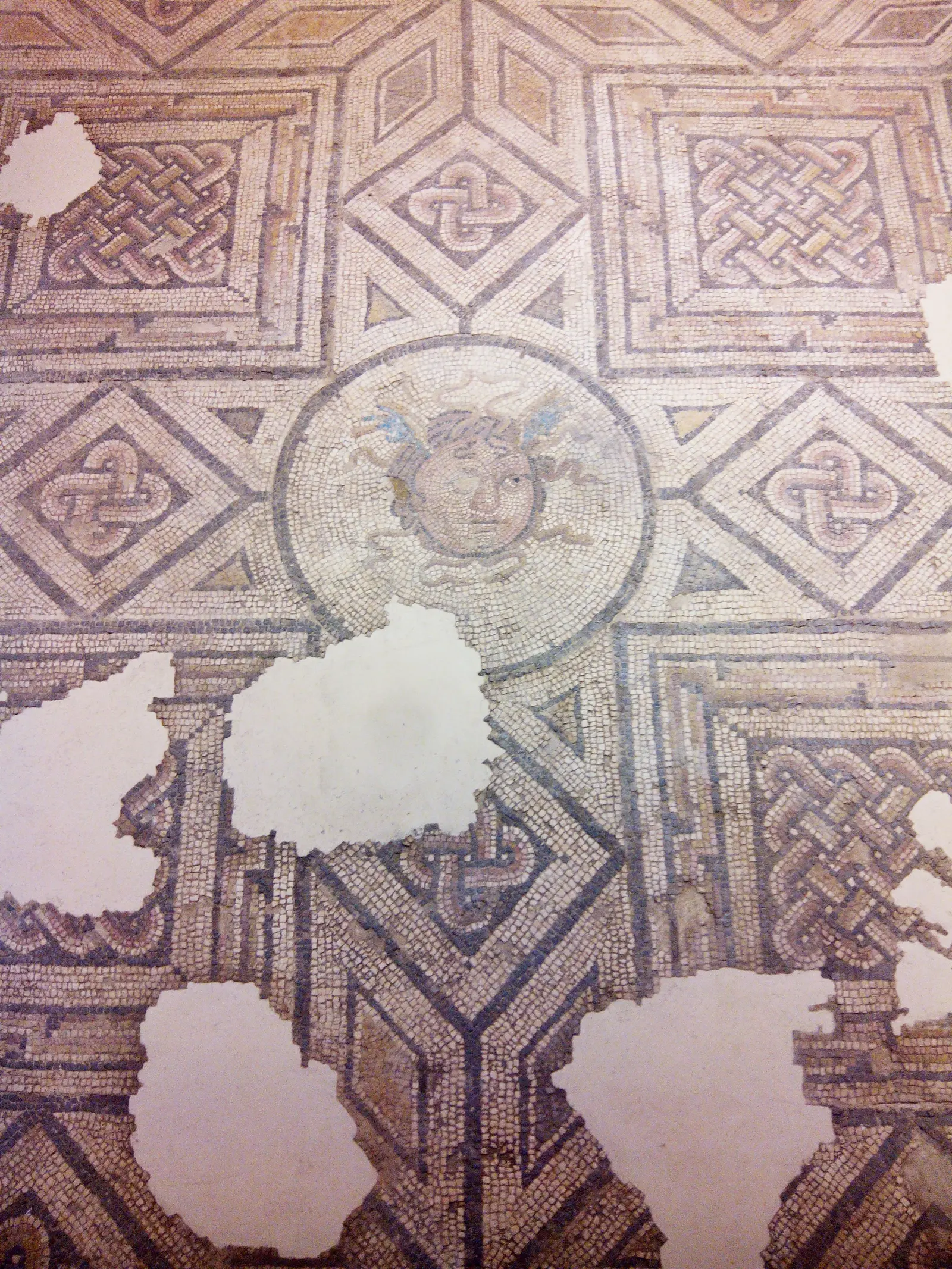
Visitors walk along an elevated walkway above the excavated remains, viewing the archaeological finds from above [1]. The displays include Roman fish-salting vats (salazones), well-preserved mosaics featuring unusual blue and red pigments derived from minerals mined in the Rio Tinto and Aznalcollar areas, pottery, and building foundations dating to the 1st century CE [1][2]. A 12th-century Almohad house with visible walls and an early bioclimatic ventilation system of hot and cold air channels is also on view [1][2]. Household objects found within the structures are displayed alongside the ruins [1]. Motion-sensor lighting activates as visitors move through the space [1].
Practical Access
The Antiquarium sits at basement level beneath the Metropol Parasol in Plaza de la Encarnación, Seville [1][2]. The walkway format means visitors traverse the space on foot above the ruins [1]. No hours, fees, reservation requirements, or typical visit duration are specified in the sources.
Restrictions
No specific restrictions noted in the sources.
What Makes It Distinctive
The Antiquarium contains Roman fish-salting vats described as twice the size of comparable examples found elsewhere in Spain [1]. The mosaics are noted as nearly intact and display an uncommon color range produced from locally sourced minerals [1]. The site presents an unbroken stratigraphic sequence from Roman Hispalis through the Moorish city of Isbylia, all preserved directly beneath one of Europe's largest wooden structures [1][2]. The combination of motion-sensor lighting and a glass-walled basement setting creates an unusual viewing environment for the remains [1].
- Open year-round
- Typical duration: 1h
Things to do
- archaeological museum visit
- archaeology
- photography
- roman history
- view household artefacts
- walkway tour of ruins
- walkway with glass-walled basement
Features
- 12th-century moorish house
- 1st-century CE pottery and building foundations
- 1st-century ce roman remains
- ancient mosaics
- chrismon symbol (xp)
- elevated walkway
- heritage interpretation
- historic ruins
- motion-sensor lighting
- multi-era archaeology
- roman fish-salting vats
- roman mosaic floors
- roman-era mosaics
- underground location
Nearby
- market and restaurant
- metropol parasol (las setas)
- plaza de la encarnación
- rooftop walkway, 24 m high
Good to know
- located under metropol parasol
- opened 1 april 2011
- underground museum